Understanding Fake Money and Counterfeit CAD: A Complete Guide for Businesses and Collectors
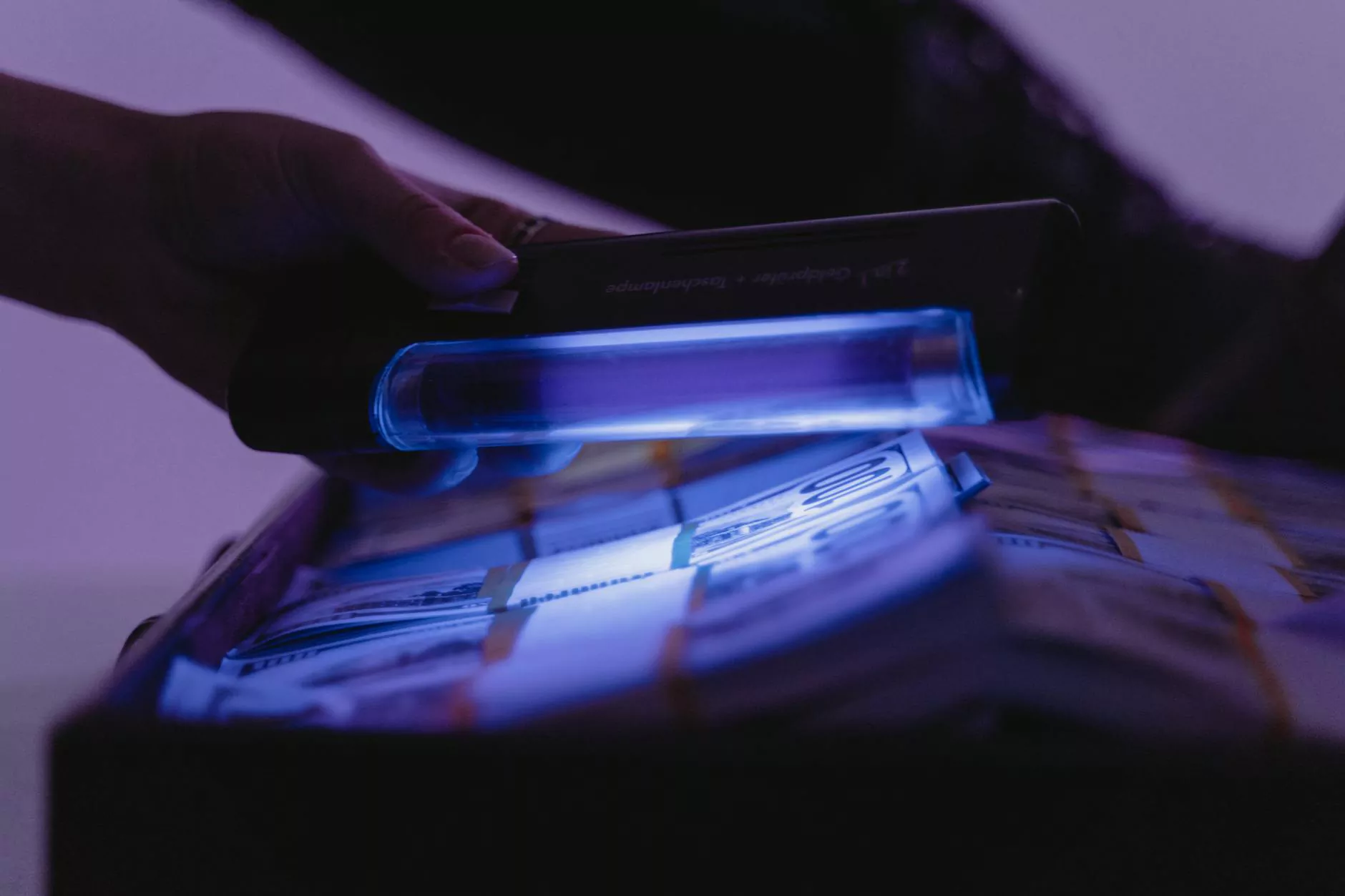
In today's global economy, the prevalence of counterfeit currency, particularly counterfeit CAD, poses significant challenges to businesses, financial institutions, and individuals alike. Recognizing the importance of understanding fake money and the intricacies involved in counterfeit detection is paramount for safeguarding assets and maintaining economic integrity.
What Is Fake Money? An Overview of Counterfeit Currency
Fake money, also known as counterfeit currency, refers to imitation banknotes or coins produced unlawfully with the intent to deceive. Counterfeit bills mimic genuine currency closely enough to deceive untrained eyes, but modern security features help identify these illegitimate notes.
Counterfeit currency can originate from sophisticated criminal networks or amateur counterfeiters, and its circulation can cause severe economic disturbances, inflation, and loss of trust in the monetary system. The most commonly targeted currencies worldwide include the US dollar, Euro, and Canadian dollar (CAD), among others.
The Significance of the Canadian Dollar (CAD) in the Global Financial System
The Canadian dollar, abbreviated as CAD, is one of the world's prominent reserve currencies. Its stability and widespread use make it a prime target for counterfeiters attempting to exploit its robustness. The rise in counterfeit CAD notes has led to increased vigilance among banks, businesses, and individuals, urging the importance of recognizing counterfeit bills swiftly.
Counterfeit CAD: Trends, Challenges, and Market Impacts
Counterfeit CAD banknotes have evolved significantly over recent years, with counterfeiters deploying advanced printing techniques and security feature counterfeits to evade detection. This trend complicates the identification process and heightens the need for comprehensive awareness and technological solutions.
Current Trends in Counterfeit CAD
- High-Resolution Digital Printing: Modern counterfeiters utilize high-quality printers that mimic printed security features with impressive accuracy.
- Fake Security Features: Some counterfeit bills now incorporate fake holograms, transparent windows, and color-shifting inks.
- Use of Synthetic Materials: Replicating the feel and durability of genuine polymer or paper bills remains a challenge but is increasingly attempted.
Market Impact and Economic Risks
Circulating counterfeit CAD notes can lead to significant financial losses, disrupt commercial transactions, and undermine public confidence in the institution's ability to secure currency. For businesses, especially those handling cash transactions, recognizing counterfeit bills is vital to prevent financial theft and contamination of cash reserves.
How to Detect Fake Money and Counterfeit CAD
Identifying counterfeit currency requires a combination of visually inspecting security features, tactile examination, and, when necessary, utilizing technological verification tools. Here are detailed tips to detect fake money effectively:
Visual Inspection Techniques
- Security Thread: Genuine bills display a security thread embedded within the paper or polymer, visible when held against light.
- Watermark: Authentic banknotes feature a clear watermark visible from both sides of the note.
- Color-Shifting Ink: The ink used for the numerals or symbols changes color when the note is tilted.
- Microprinting: Tiny text that appears crisp and clear under magnification. Counterfeit notes often have blurred or smudged microtext.
- Holograms and Transparent Windows: Genuine polymer bills incorporate holographic patches and see-through features with detailed designs.
- UV Features: Under ultraviolet light, certain areas or symbols fluoresce distinctively in genuine bills.
Physical and Tactile Checks
- Feel of Paper/Polymer: Real currency has a unique texture, either a crisp paper feel or smooth polymer surface.
- Weight and Thickness: Counterfeit bills tend to feel either too thick, too thin, or irregular in weight.
- Edge and Cut Quality: Genuine bills have clean, precise edges but counterfeit ones often exhibit uneven cuts or fraying.
Technological Verification Methods
- Currency Detectors: Use handheld or countertop devices that can scan and verify security features electronically.
- Mobile Apps: Several reliable apps analyze banknote features using smartphone cameras, providing instant verification.
- Authentication Services: Professional verification by currency experts or specialized agencies, especially for large transactions.
The Growing Threat of Counterfeit CAD and How Businesses Can Protect Themselves
Increased circulation of counterfeit CAD underscores the necessity for businesses, especially in retail, banking, and hospitality sectors, to establish rigorous counterfeit detection protocols. Educating staff, deploying modern detection tools, and maintaining updated security awareness are critical measures.
Strategies for Combating Fake Money and Counterfeit CAD
- Staff Training: Regularly train staff to recognize security features and suspicious notes.
- Use of Advanced Detection Technology: Invest in counterfeit detection machines that identify complex security features.
- Maintain Updated Procedures: Keep abreast of current counterfeit trends and adapt procedures accordingly.
- Secure Cash Handling Procedures: Implement secure cash storage, periodic cash inspections, and regular audits.
- Public Awareness Campaigns: Educate customers about distinguishing genuine currency, fostering a community vigilant against fake money.
The Role of undetectedbanknotes.com in Anti-Counterfeit Efforts
Undetectedbanknotes.com offers vital resources and products designed to combat counterfeit currency, especially counterfeit CAD. Their directory of high-quality, reliable detection tools and comprehensive informational resources plays a crucial role in empowering businesses and financial institutions.
From advanced detection devices to educational guides, their services enable stakeholders to identify fake money swiftly and effectively, thereby preserving the integrity of financial transactions.
Legal Aspects and Penalties Associated with Counterfeit Currency
Producing, distributing, or possessing counterfeit currency is a serious criminal offense with strict legal consequences, including hefty fines and imprisonment. Understanding legal frameworks is essential for law enforcement agencies and businesses alike to act decisively against counterfeit operations.
Conclusion: Emphasizing Vigilance and Technological Advancement in Fighting Fake Money
In sum, the battle against fake money, particularly counterfeit CAD, is ongoing and multifaceted. It demands dedication, technological investment, and continuous education to ensure that businesses and individuals can protect themselves effectively. By leveraging innovative detection tools, staying informed about current trends, and fostering a vigilant mindset, we can significantly reduce the circulation of counterfeit currency and uphold the integrity of our monetary systems.
Remember, knowledge and proactive measures are your strongest defenses against counterfeit money. Stay alert, stay informed, and utilize the best tools available to safeguard your assets and ensure a trustworthy economic landscape.