Zirconia Porcelain: The Future of Dental Aesthetics
In the ever-evolving world of dentistry, materials innovative enough to withstand time while providing patients with outstanding results are of utmost importance. One such revolutionary material is zirconia porcelain. This advanced option is reshaping the landscape of dental treatments, especially in the realm of restorative dentistry. In this comprehensive article, we will delve into the numerous benefits of zirconia porcelain, its applications, and why it is increasingly becoming the material of choice for both dentists and patients.
What is Zirconia Porcelain?
Zirconia porcelain is a high-strength ceramic material that is known for its exceptional toughness and aesthetic qualities. It is derived from zirconium dioxide, a compound that, when processed and sintered, achieves remarkable durability. This material is often used in various dental restorations, including crowns, bridges, and veneers, due to its ability to mimic the natural appearance of teeth while providing superior strength compared to traditional materials.
The Composition of Zirconia Porcelain
The unique properties of zirconia porcelain stem from its exceptional composition, which includes:
- Zirconium dioxide (ZrO2): The primary component that provides strength and biocompatibility.
- Alumina: This addition enhances toughness and wear resistance.
- Coloring agents: These are used to achieve a natural tooth-like appearance.
Benefits of Zirconia Porcelain in Dentistry
Zirconia porcelain has revolutionized restorative dentistry with its impressive range of benefits. Here are some of the top advantages:
1. Exceptional Aesthetic Qualities
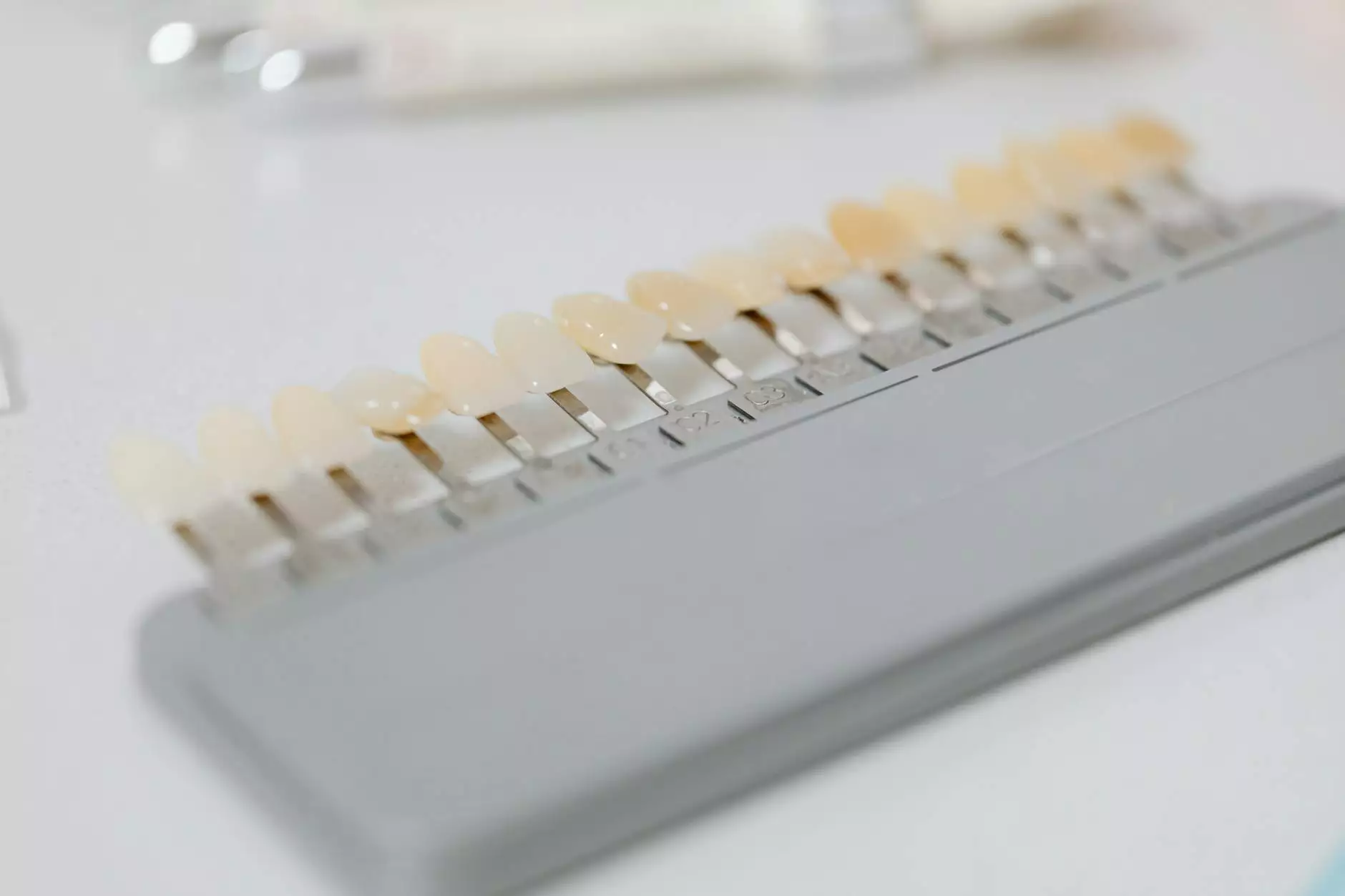
One of the standout features of zirconia porcelain is its ability to closely resemble natural tooth enamel. With advanced color-matching technology, zirconia restorations can be made to blend seamlessly into a patient’s existing smile, providing a highly aesthetic outcome that enhances facial features.
2. Unparalleled Strength and Durability
When it comes to durability, zirconia porcelain outshines many traditional materials. It boasts remarkable resistance to wear and fracture, making it ideal for high-stress areas in the mouth, such as molars. Patients receiving zirconia restorations can trust that their dental prosthetics will endure everyday wear, eating, and drinking without compromising structural integrity.
3. Biocompatibility
Zirconia is a biocompatible material, which means it is well-tolerated by the body. Unlike some metals used in dentistry, zirconia does not cause allergic reactions and is free from harmful substances. This ensures patient safety and promotes overall health.
4. Reduced Risk of Sensitivity
Many patients experience sensitivity with metal restorations due to thermal conductivity. However, zirconia porcelain effectively minimizes sensitivity, allowing for a more comfortable patient experience. Additionally, it does not expand or contract significantly with temperature changes, reducing the risk of dental issues such as cracking.
5. Minimal Tooth Reduction
When preparing teeth for zirconia restorations, dentists are often able to preserve more of the natural tooth structure compared to traditional porcelain or metal restorations. This conservative approach not only benefits the tooth’s health but also helps maintain its natural appearance.
Applications of Zirconia Porcelain in Dentistry
Zirconia porcelain is versatile and can be used in various dental applications, including:
- Crowns: Providing a robust and aesthetic solution for damaged or decayed teeth.
- Bridges: Offering functional and beautiful replacements for missing teeth.
- Veneers: Enhancing the appearance of teeth while preserving their structure.
- Implants: Serving as an optimal material for implant abutments.
- Partial dentures: Creating strong and aesthetic removable solutions for patients.
Choosing the Right Dental Practice for Zirconia Porcelain Treatments
When it comes to dental restorations, selecting the right dental practice is crucial. Chiswick Park Dental, serving the areas of Health & Medical, General Dentistry, and Dentists, is committed to providing state-of-the-art treatments using zirconia porcelain. Here are key factors to consider:
1. Experience and Expertise
The proficiency of your dentist significantly influences the quality of your zirconia restorations. Choose a practitioner with experience in aesthetic dentistry and a proven track record of successful treatments incorporating zirconia porcelain.
2. Technology and Techniques
Modern dental practices that utilize cutting-edge technology for designing and creating zirconia restorations will provide enhanced precision and outcomes. Look for clinics that employ CAD/CAM technology for digital impressions and milling of zirconia restorations.
3. Patient Reviews and Testimonials
Feedback from past patients can offer insights into the quality of care at a dental practice. Review platforms and practice websites often feature testimonials that can help you make an informed decision.
4. Comprehensive Consultation
Effective dental practices prioritize patient communication and education. A thorough consultation that addresses your health concerns, cosmetic goals, and treatment options is essential to achieving the best results.
Conclusion: Embracing the Future of Dental Aesthetics
In summary, zirconia porcelain represents a remarkable advancement in restorative dentistry, offering patients a combination of aesthetic appeal, durability, and health benefits. As more dental practices, such as Chiswick Park Dental, adopt this innovative material, patients can expect enhanced dental solutions that do not compromise on quality or aesthetics. By choosing zirconia porcelain, you are not only investing in your dental health but also ensuring a radiant smile that lasts. Embrace the future of dental aesthetics with zirconia porcelain and experience the transformation it brings to your oral health journey.