The Ultimate Guide to Firewood: Quality, Types, and Best Practices
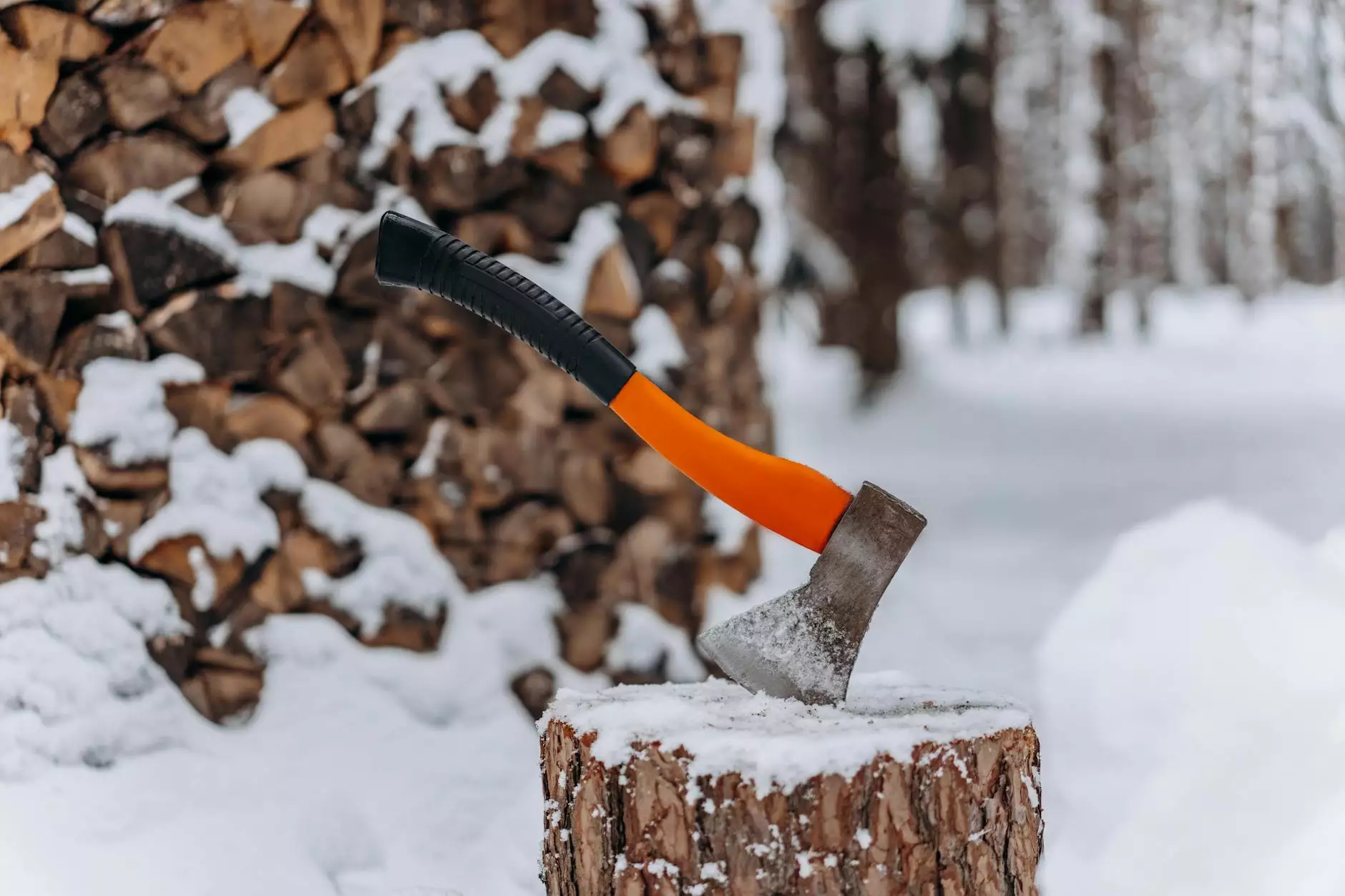
Firewood is more than just a resource; it’s an essential component for a cozy home, perfect for heating, cooking, and creating lasting memories around the fireplace. As the demand for alternative heating sources grows, understanding the different types of firewood available and how to use them efficiently has never been more important. Navigating through this guide will equip you with vital knowledge regarding firewood and its substantial benefits.
Why Choose Firewood? Benefits and Uses
Firewood has been a cornerstone of home heating and cooking for centuries. Here are some key benefits:
- Environmentally Friendly: Firewood is a renewable energy source. Using firewood from sustainably managed forests can significantly reduce your carbon footprint.
- Cost-Effective: In many regions, firewood is more affordable than gas or electricity for heating purposes. This cost efficiency is critical for budget-conscious households.
- Cozy Ambiance: Nothing compares to the warmth and flickering glow of a real wood fire. It adds a natural aesthetic to any home.
- Cooking Versatility: Many people enjoy cooking with firewood, especially in outdoor settings, as it adds unique flavors to grilled foods.
Understanding Different Types of Firewood
Choosing the right type of firewood is essential for achieving optimal performance. Firewood is generally classified into two broad categories: hardwood and softwood.
Hardwood Firewood
Hardwoods come from deciduous trees and are known for their density and high heat output. Here are some popular hardwood options:
- Oak: This is one of the most popular hardwoods, known for its long burn time and steady heat output.
- Maple: Producing a bright flame and high heat, maple is also easy to split and great for cooking.
- Hickory: Renowned for its flavor when used in cooking, hickory burns hot and has a lasting burn time.
Softwood Firewood
Softwoods are sourced from coniferous trees, and while they ignite easily, they tend to burn faster than hardwoods. Here’s what you need to know:
- Pine: An excellent starter wood due to its quick ignition. However, it produces more creosote, requiring regular chimney cleaning.
- Cedar: Known for its pleasant aroma and low density, cedar burns quickly, making it great for kindling.
- Fir: Burns bright and is often used in combination with hardwoods for a steadier flame.
Factors to Consider When Choosing Firewood
Selecting the right firewood involves considering various factors to ensure a pleasant experience:
1. Moisture Content
One of the most critical aspects is the moisture content. Freshly cut wood can contain up to 50% moisture, leading to poor burning. The ideal moisture content is below 20%. Proper seasoning can significantly improve the efficiency of your firewood.
2. Wood Density
The density of the wood also plays a massive role in its ability to generate heat. Hardwoods tend to be denser and therefore burn longer and hotter compared to softwoods. When selecting firewood, consider your heating needs and space available for storage.
3. Type of Firewood
Depending on your intended use—whether for heating or cooking or for ambiance—you will need to choose the type of firewood that best serves your purpose. Hardwoods are generally preferred for home heating, while softwoods may be used for starting fires.
Best Practices for Storing Firewood
Proper storage of firewood not only prolongs its usability but also prevents issues such as mold or pest infestations. Here are some best practices to consider:
- Choose a Dry Location: Firewood should be stored in a dry area with good air circulation to promote efficient seasoning.
- Elevate the Wood: Keeping firewood off the ground using a rack or pallets helps prevent moisture absorption from the soil.
- Cover the Top: Use a tarp or cover to protect the top of your firewood pile from rain and snow while leaving the sides open for air circulation.
Preparing and Using Firewood Effectively
Once you've chosen and stored your firewood properly, the next steps involve preparing and using it effectively. Here’s a quick guide:
1. Splitting Wood
For burning efficiency, consider splitting your firewood into smaller pieces. This not only helps with quicker seasoning but also encourages a more consistent burn.
2. Safe Lighting Techniques
When it comes to lighting a fire, never use gasoline or other accelerants. Instead, consider using:
- Kindling: Small sticks or twigs.
- Fire starters: Natural fire lighters made from wax and wood shavings.
- Newspaper: Crumpled paper can be a good igniter when combined with kindling.
3. Monitoring the Fire
Keep a close eye on your fire and maintain airflow to support an efficient burn. Adjust the position of logs to promote airflow, ensuring a steady flame that does not produce excessive smoke.
Eco-Friendly Practices in Firewood Usage
As environmental awareness grows, it’s essential to adapt eco-friendly practices when using firewood:
- Sustainable Sourcing: Always choose firewood sourced from sustainable forests. This practice helps preserve ecosystems.
- Energy Efficiency: Invest in a high-efficiency wood stove or fireplace insert to maximize heat output and minimize emissions.
- Regular Maintenance: Keep your chimney clean to prevent creosote buildup, promoting safe and efficient wood burning.
Innovative Uses for Firewood Beyond Heating
Firewood can serve many purposes beyond heating your home:
1. Crafting and DIY Projects
Firewood can be transformed into beautiful rustic furniture, art, and decorative pieces. Projects can be as simple as creating a wood pedestal table or as intricate as carving sculptures.
2. Cooking and Grilling
Using firewood for cooking adds a distinct flavor to foods. Whether you’re grilling steaks over a hickory fire or roasting marshmallows with cedar, the options are abundant.
3. Land Clearing and Erosion Control
In forest management, using firewood allows for the clearing of dead or overgrown trees, which improves air and sunlight access for healthier trees and wildlife.
Conclusion: Your Journey with Firewood Starts Now
Understanding firewood is crucial not only for warmth but also for maintaining a sustainable lifestyle. By embracing quality firewood and practicing responsible usage, you contribute positively to the environment while enjoying the many benefits it brings to your home.
For more information, resources, and quality firewood options, visit https://wood-trans.com/.