The Essential Role of a Die Casting Mould Supplier in Modern Manufacturing
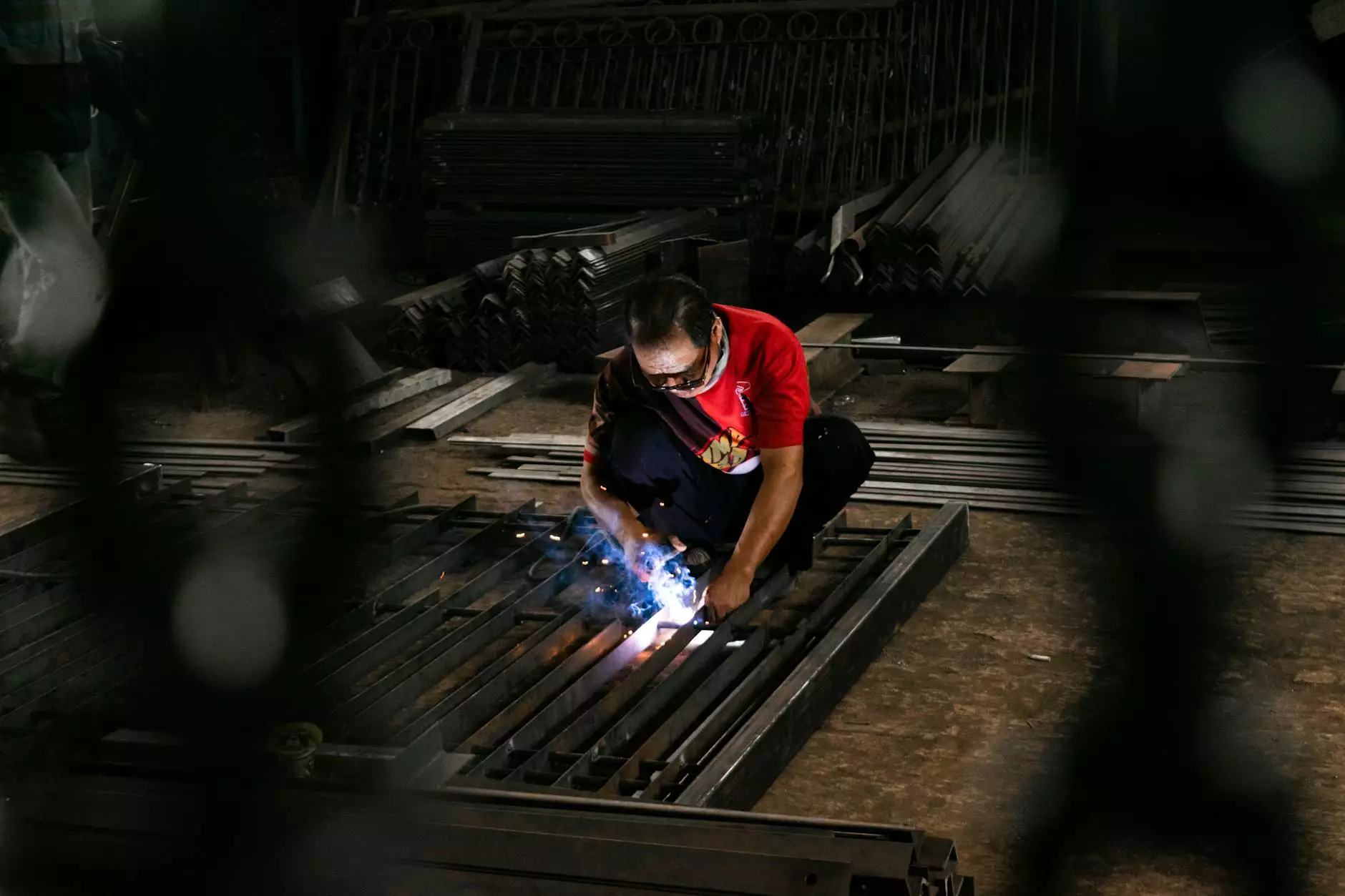
In the competitive landscape of manufacturing, die casting mould suppliers are essential partners for companies seeking to produce precision-engineered components efficiently and effectively. This article delves into the multifaceted role of these suppliers, their advantages, and how they enhance the overall production process in the metal fabrication industry.
What is Die Casting?
Die casting is a manufacturing process in which molten metal is injected into a mold to create intricate and high-precision parts. This method is widely used due to its ability to produce complex shapes with excellent surface finish and tight tolerances. The die casting process facilitates the creation of a wide range of metals, including aluminum, zinc, and magnesium.
The Importance of a Die Casting Mould Supplier
A die casting mould supplier plays a pivotal role in ensuring that manufacturers have the right tools to execute their production plans. Here’s why these suppliers are indispensable in the manufacturing sector:
- Expert Design and Engineering: A reputable die casting mould supplier brings extensive knowledge in design and engineering, ensuring that the molds are optimized for the specific needs of the production line.
- Quality Assurance: Suppliers provide rigorous testing and quality control measures to ensure that the molds meet industry standards and produce flawless components.
- Material Selection: Die casting mould suppliers assist manufacturers in choosing the appropriate materials for their molds, which significantly impacts the longevity and performance of the products.
- Cost Efficiency: By sourcing high-quality molds, manufacturers minimize waste and reduce production costs, making it financially advantageous in the long run.
Key Benefits of Partnering with a Trusted Die Casting Mould Supplier
When manufacturers select a reliable die casting mould supplier, they unlock numerous advantages that can elevate their production capabilities:
1. Enhanced Production Speed
One of the most significant benefits is the improvement in production speed. Efficient molds designed by experienced suppliers streamline the die casting process. The speed at which parts can be produced without compromising quality leads to shorter lead times and faster market delivery.
2. Superior Accuracy and Precision
Quality molds produce parts that meet tight tolerances, essential in industries like automotive and aerospace, where precision is non-negotiable. A reputable supplier utilizes advanced technology, including CAD and CAM software, to ensure perfect mold design and fabrication.
3. Flexibility in Design
Die casting molds can be adapted for various designs, allowing manufacturers to shift gears quickly and respond to changing market demands. This flexibility is crucial in today’s fast-paced business environment.
Critical Factors When Choosing a Die Casting Mould Supplier
Selecting the right die casting mould supplier requires careful consideration of several factors to ensure a successful partnership:
1. Industry Experience
Consider a supplier's track record in the die casting industry. Experience often correlates with expertise, enabling suppliers to tackle complex challenges effectively.
2. Technological Capabilities
Assess the technological advancements employed by the supplier. Mould-making techniques such as CNC machining, 3D printing, and advanced simulation can significantly enhance mold design and manufacturing.
3. Customer Reviews and Testimonials
Researching customer feedback provides insights into a supplier’s reliability and quality. Websites, trade shows, and industry publications are excellent resources for gathering this information.
Applications of Die Casting in Various Industries
Die casting assumes a vital role across numerous sectors. Below are some of the primary applications of this manufacturing technique:
1. Automotive Industry
The automotive sector relies heavily on die casting to produce engine blocks, transmission cases, and structural components due to the need for lightweight and robust parts.
2. Aerospace Engineering
Aerospace manufacturers benefit from die casting's ability to produce high-strength components that meet stringent safety standards while minimizing weight.
3. Electronics and Electrical Devices
Die casting is widely used in fabricating housings, heat sinks, and other critical components for electronic devices due to its precision and efficiency.
4. Consumer Goods
From kitchen appliances to metal furnishings, die casting technology enables manufacturers to create various consumer products that require durability and aesthetic appeal.
The Future of Die Casting Mould Supply
As technology advances, the future of die casting mould suppliers appears bright. Innovations such as:
- 3D Printing: Enhancements in 3D printing technologies allow for rapid prototyping, reducing lead times significantly.
- Smart Manufacturing: Integration of IoT devices can lead to more efficient manufacturing processes and predictive maintenance of molds.
- Sustainability Efforts: As industries move towards greener practices, die casting suppliers are adopting sustainable methods, from materials to waste management.
Conclusion
In conclusion, the role of a die casting mould supplier is crucial in today’s manufacturing landscape. Their expertise not only contributes to improved efficiency and quality but also enables manufacturers to stay competitive in a rapidly evolving market. By understanding the value of these suppliers and choosing one that aligns with your specific needs, manufacturers can leverage die casting to achieve greater success.
For more information about high-quality die casting solutions and to explore how we can assist in your manufacturing needs, visit deepmould.net.