Ductwork Installation: The Essential Guide to Installation, Benefits, and Maintenance
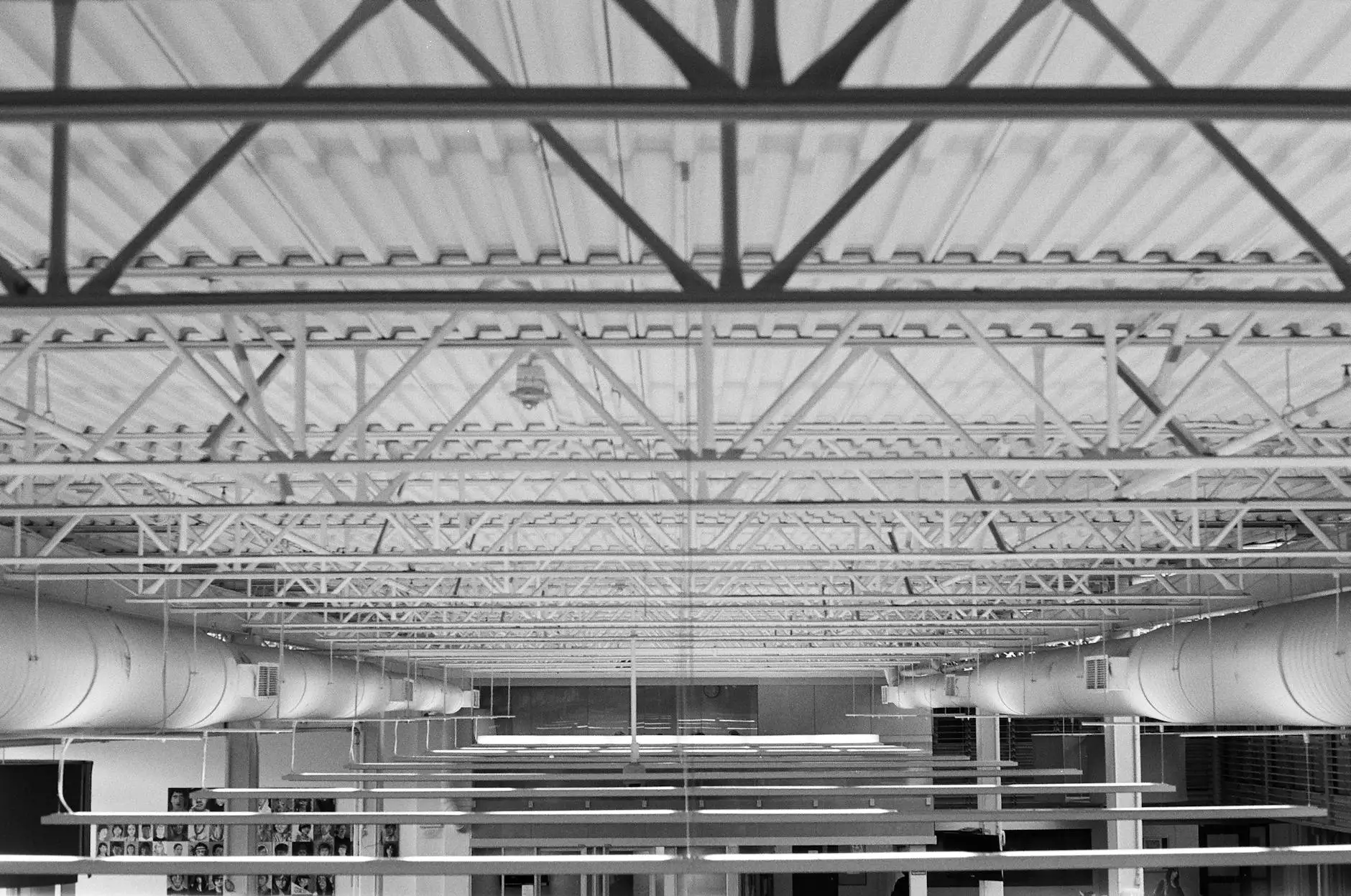
Ductwork installation is a critical aspect of any heating, ventilation, and air conditioning (HVAC) system. Proper installation ensures optimal airflow, enhances energy efficiency, and significantly contributes to the overall comfort of a building. Whether you are upgrading an old system or installing a new one, understanding the intricacies of ductwork installation can lead to informed decisions that will elevate the quality of your indoor environment.
What is Ductwork and Why is it Important?
Ductwork refers to the network of ducts that distribute heated or cooled air throughout a home or commercial building. This system plays a vital role in maintaining indoor air quality and regulating temperature. Here are some essential reasons why ductwork is crucial:
- Air Distribution: Ducts ensure an even distribution of air across all rooms in a building, preventing hot or cold spots.
- Energy Efficiency: Well-designed and properly installed ductwork minimizes energy consumption, which can lead to cost savings on utility bills.
- Indoor Air Quality: Clean, well-sealed ducts help maintain a healthy indoor environment by preventing the accumulation of dust, mold, and allergens.
- Comfort: Effective ductwork installation contributes to consistent temperature control, enhancing overall comfort.
Steps for Ductwork Installation
Installing ductwork involves several key steps. Each step is critical to ensuring that the system operates efficiently and effectively. The following outlines the typical process involved in ductwork installation:
1. Planning and Design
The first step in any duct installation project is to carefully plan and design the layout:
- Evaluate the building layout and heating/cooling needs.
- Determine duct sizes and types based on airflow requirements.
- Establish the best route for duct runs, avoiding obstacles and minimizing bends.
2. Selecting Materials
A variety of materials can be used in ductwork, including:
- Sheet Metal: Durable and non-combustible, ideal for both residential and commercial uses.
- Flexible Ducting: Easy to install in tight spaces but can be prone to kinks.
- Fiberglass Duct Board: Provides excellent insulation properties and is suitable for air conditioning systems.
3. Creating the Ductwork
Once the planning is complete, the next step is constructing the ducts as per the design specifications:
- Cut and shape the chosen materials into the required sizes.
- Assemble the pieces using appropriate connectors and fasteners.
- Insulate the ductwork where necessary to prevent energy loss.
4. Installing the Ducts
The physical installation involves placing ducts in their designated positions:
- Secure ducts to structural elements using hangers or brackets.
- Ensure proper slope for drain lines in systems that require drainage.
- Seal seams and joints using mastic or foil tape to prevent leaks.
5. Connecting to HVAC Equipment
Next, the ducts are connected to the HVAC system:
- Position ducts to align with the unit’s output ports.
- Use sturdy connectors to join ducts with the HVAC equipment.
6. Testing the System
The final step is to test the entire system for any issues:
- Conduct airflow tests to ensure proper air distribution.
- Check for air leaks and make necessary repairs.
- Adjust dampers in the system to balance airflow.
Benefits of Professional Ductwork Installation
While DIY ductwork installation may seem tempting, engaging professionals offers distinct advantages:
- Expertise: Professionals have the knowledge and training to design and install duct systems that meet industry standards.
- Efficiency: Experienced installers can often complete the job more quickly and efficiently than most homeowners.
- Safety: Professional installation minimizes the risk of safety hazards associated with improper ductwork.
- Warranty and Support: Many professional services offer warranties, ensuring peace of mind for clients.
Signs You Need A Ductwork Installation or Replacement
Recognizing the signs that your ductwork may need replacement is crucial for maintaining HVAC performance:
- Age: If your ducts are over 15 years old, it might be time to consider replacement.
- Increased Energy Bills: Unexplained spikes in your energy bills can indicate duct leaks or inefficiencies.
- Uneven Temperatures: Inconsistent temperatures in different rooms may suggest insufficient or leaking ductwork.
- Unusual Noises: Rattling or whistling sounds can indicate loose connections or obstructions.
Maintenance Tips for Ductwork
Regular maintenance of your ductwork can prolong its lifespan and efficiency. Here are some tips:
- Regular Inspections: Schedule inspections with HVAC professionals to check for issues.
- Clean Ducts: Regular cleaning helps remove dust and allergens, enhancing indoor air quality.
- Seal Leaks: Check for and repair any leaks promptly to maintain system efficiency.
- Change Filters: Regularly replace filters in your HVAC system as dirty filters can restrict airflow.
Conclusion
In conclusion, ductwork installation plays a fundamental role in the functionality of HVAC systems. By ensuring precise installation, choosing quality materials, and engaging professionals, you can significantly improve the comfort and efficiency of your indoor spaces. The benefits of well-installed ductwork extend beyond easy temperature control; they include health and safety advantages as well. Remember, regular maintenance and timely upgrades are key to preserving the advantages of your HVAC system. If you are considering ductwork installation, maintenance, or other air conditioning services, don’t hesitate to contact the experts at DW Air for assistance.