Understanding Soft Guard Teeth: An Essential Tool for Optimal Oral Health
What Are Soft Guard Teeth?
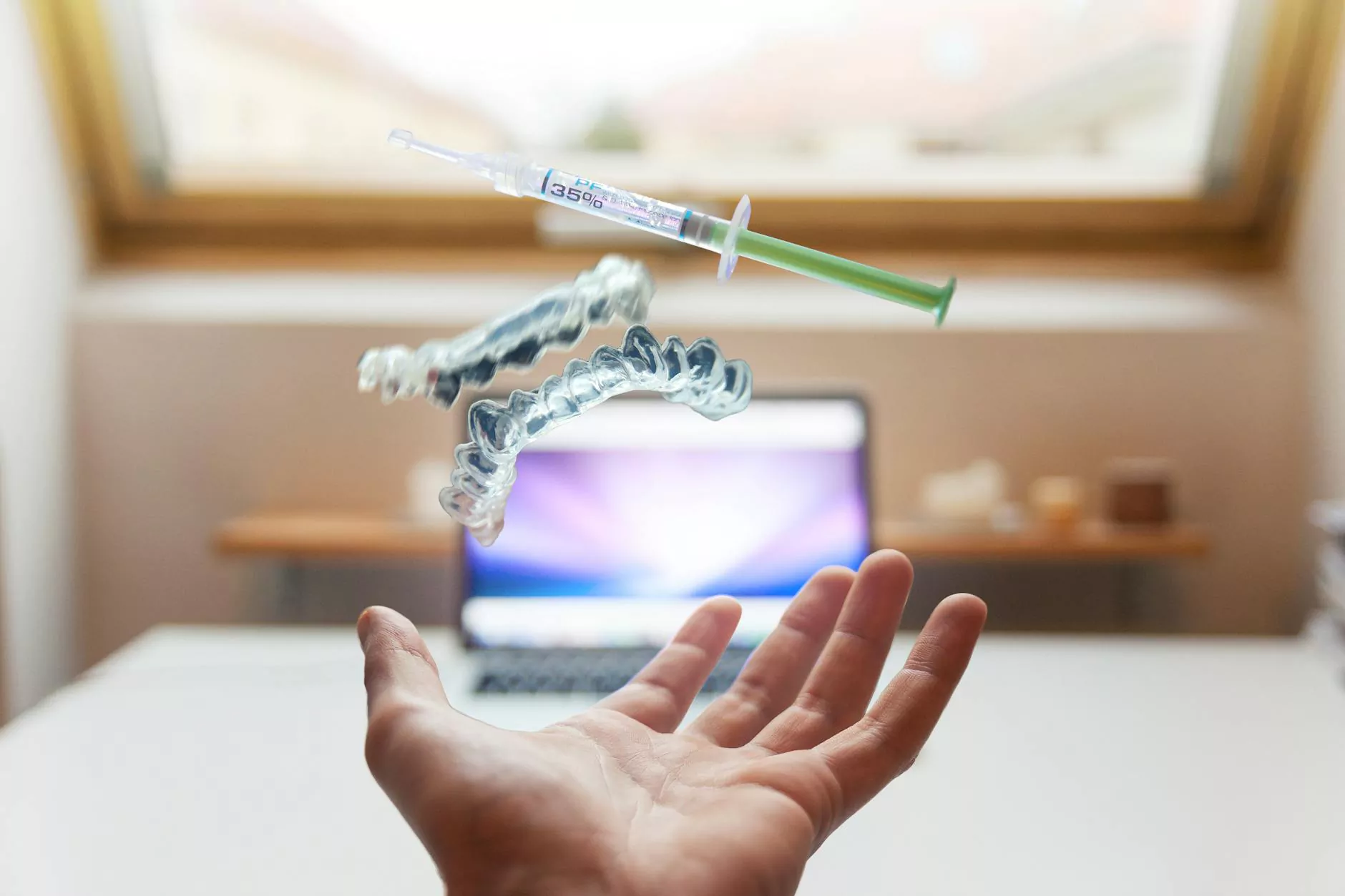
Soft guard teeth, often referred to as dental night guards or occlusal splints, are protective devices designed to fit over the teeth. Their primary purpose is to provide a barrier for individuals who grind their teeth at night, a condition known as bruxism. The soft material used to create these guards cushions the teeth, making it less likely for them to wear down or become damaged due to grinding.
The Importance of Soft Guard Teeth in General Dentistry
In the realm of general dentistry, soft guard teeth play a crucial role in maintaining oral health. These guards help prevent the wear and tear of enamel, reduce tooth sensitivity, and can significantly decrease the risk of jaw pain associated with bruxism. By providing a cushion between the upper and lower teeth, they help alleviate the pressure exerted during teeth grinding.
Benefits of Using Soft Guard Teeth
Utilizing soft guard teeth offers a myriad of benefits that can transform your dental health:
- Protection Against Damage: They shield your teeth from wear due to grinding, helping to preserve your natural smile.
- Reduction in Jaw Pain: These guards can alleviate discomfort in the jaw muscles and temporomandibular joint (TMJ).
- Improved Sleep Quality: By reducing the clenching and grinding, users often report better sleep, as they are less likely to be disturbed by their own habits.
- Cost-Effective Solution: Investing in soft guard teeth can save you from more extensive and expensive dental procedures down the line.
How to Use Soft Guard Teeth Effectively
To ensure you get the maximum benefits from your soft guard teeth, it is essential to use them correctly. Here's a guide:
- Consult Your Dentist: Before using a night guard, consult your dentist to determine if it’s suitable for you, considering your dental health and condition.
- Fit and Comfort: Ensure that the guard fits snugly over your teeth. A proper fit is crucial for effective protection.
- Regular Cleaning: Clean your soft guard teeth daily to prevent bacteria buildup. Rinse with warm water and use a toothbrush with mild soap.
- Store Properly: When not in use, keep your guard in a ventilated case to protect it from damage.
- Replace as Needed: Like any dental appliance, night guards wear out over time and should be replaced regularly to maintain their effectiveness.
Choosing the Right Type of Soft Guard Teeth
Not all soft guard teeth are created equal. There are different types to consider depending on your specific needs:
- Custom-Made Guards: Made specifically for your dental structure by a dentist, these provide the best fit and comfort.
- Boil-and-Bite Guards: These semi-custom guards can be molded at home, making them a more affordable option.
- Disposable Guards: While less durable, these can be an option for occasional use and are usually more affordable.
Pitfalls of Not Using Soft Guard Teeth
Neglecting to use soft guard teeth when necessary can lead to several adverse outcomes:
- Tooth Damage: Continuous grinding can lead to chipped and cracked teeth, requiring extensive dental work.
- Increased Sensitivity: Worn enamel can result in heightened tooth sensitivity to temperature changes.
- Chronic Jaw Pain: Failing to manage bruxism may result in persistent discomfort in the jaws and surrounding muscles.
- Sleep Disturbance: Grinding can disrupt your sleep patterns, resulting in fatigue and decreased quality of life.
Frequently Asked Questions About Soft Guard Teeth
1. How long should I wear my soft guard teeth?
Typically, soft guard teeth are meant to be worn overnight, but your dentist may recommend usage during the day depending on your grinding habits.
2. Are soft guard teeth uncomfortable?
While it may take some time to adjust, most users find soft guard teeth comfortable after an initial adaptation period.
3. Can I drink water with the guard in?
Yes, you can drink water while wearing your guard, but avoid hot liquids, as they can warp the material.
4. Do soft guard teeth require special maintenance?
Regular cleaning with mild soap and water is essential, alongside proper storage to prolong their lifespan.
Conclusion
In conclusion, soft guard teeth offer invaluable protection and benefits for anyone suffering from bruxism or experiencing issues related to teeth grinding. They not only help maintain the health of your teeth and jaws but also improve your overall well-being by facilitating better sleep. Consulting with your dentist from MedDental SF can guide you in choosing the right type of guard, ensuring you receive the best care tailored to your needs. Prioritize your dental health today and consider incorporating soft guard teeth into your oral hygiene routine.
© 2023 MedDental SF. All rights reserved.