Transforming Businesses with Precision Moldings
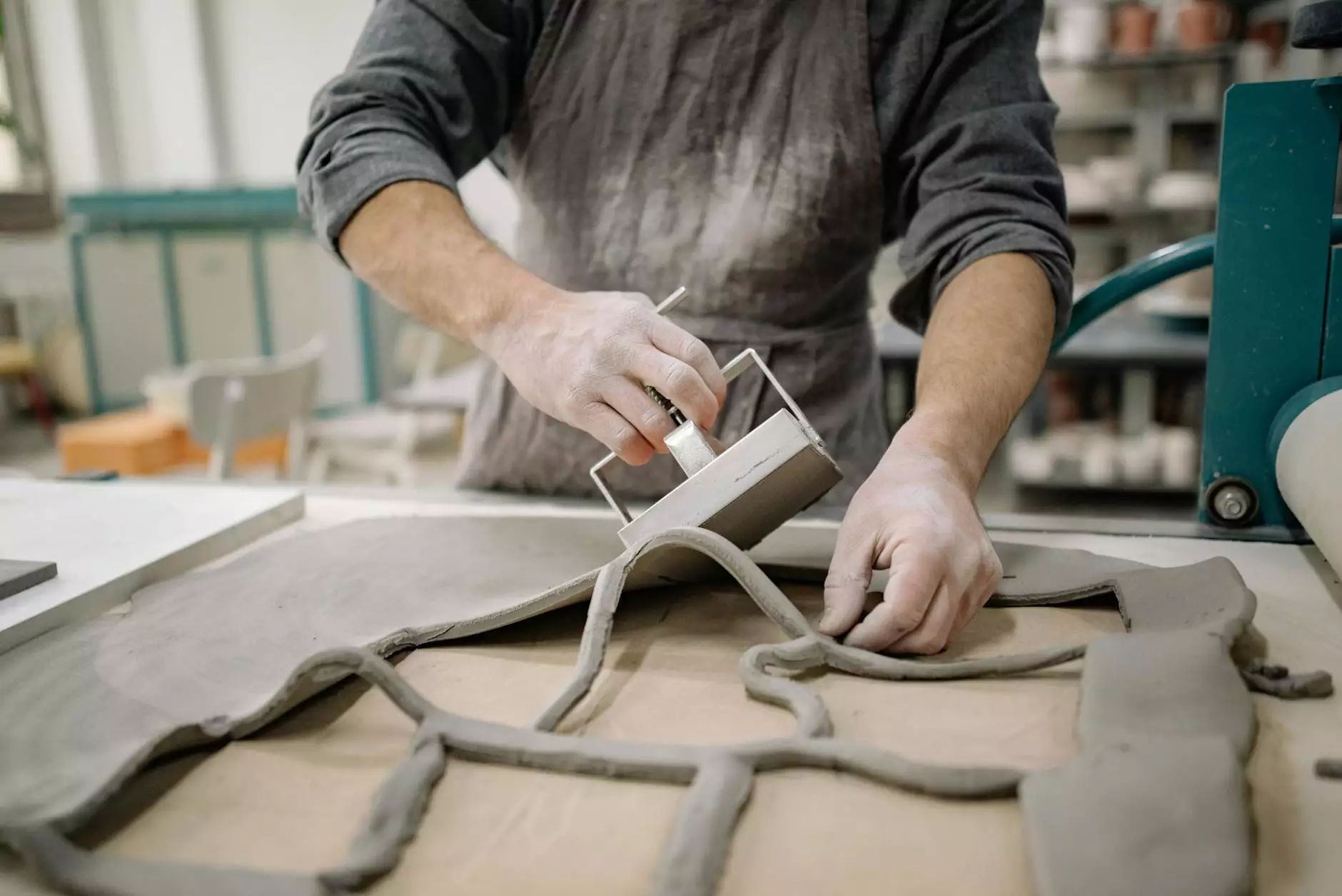
Precision moldings play a pivotal role in the contemporary manufacturing landscape. As industries increasingly demand higher quality and precision, the integration of these advanced molding techniques is reshaping businesses across various sectors, especially in metal fabrication. This article delves into the myriad ways precision moldings are revolutionizing the business world, what advantages they bring, and how they can lead to sustainable growth and innovation.
Understanding Precision Moldings
Precision moldings refer to the precise and meticulous process of shaping materials into specific forms that meet rigorous standards and specifications. The process employs the use of advanced technologies and high-quality materials to ensure that each component achieves a flawless finish and superior functionality.
The Importance of Precision in Manufacturing
In the realm of manufacturing, accuracy and reliability are paramount. Businesses that leverage precision moldings experience numerous benefits:
- Enhanced Product Quality: Components manufactured with precision moldings typically exhibit superior quality, which translates to superior end-products.
- Cost Efficiency: By minimizing waste and reducing the need for rework, precision moldings lead to significant cost savings.
- Improved Time Management: Faster production cycles are achievable due to the efficiency of the molding processes.
- Custom Solutions: Businesses can provide tailored solutions that meet specific customer requirements, thereby enhancing satisfaction and loyalty.
The Role of Metal Fabricators in Precision Moldings
Metal fabricators are at the forefront of utilizing precision moldings to create products that serve various industries including automotive, aerospace, electronics, and more. The integration of precision moldings within metal fabrication presents several advantages:
Innovation and Technology
The metal fabrication industry is increasingly adopting new technologies such as:
- Computer Numerical Control (CNC): CNC machines allow for the precise shaping and cutting of materials, ensuring each component meets stringent specifications.
- 3D Printing: The ability to create complex shapes and designs helps metal fabricators to experiment and innovate rapidly.
- Laser Cutting: A method that enhances precision by using laser technology to cut materials with exceptional accuracy.
Applications of Precision Moldings in Various Sectors
The applications of precision moldings span countless sectors. Here are some key industries that benefit significantly:
Aerospace Industry
The aerospace sector demands precision at an unparalleled level. With precision moldings, manufacturers can produce lightweight, robust components that are vital for aircraft performance and safety.
Automotive Industry
In automotive manufacturing, precision moldings are essential for creating intricate designs and ensuring parts fit together seamlessly, enhancing both performance and safety.
Electronics Sector
The electronics industry relies on precision moldings for producing small, complex components that require exact specifications to function correctly within various devices.
Benefits of Precision Moldings for Businesses
Implementing precision moldings translates directly to a variety of business advantages:
Quality Assurance
The utilization of precision manufacturing techniques leads to a marked improvement in product quality. Consistency is key in today’s market, and businesses employing precision moldings see lower defect rates.
Competitive Advantage
Companies that effectively utilize precision moldings can differentiate themselves in competitive markets due to their superior product offerings. This leads to higher market share and profitability.
Customer Satisfaction
By consistently delivering high-quality products that meet customer specifications, businesses enhance their reputation and cultivate customer loyalty, resulting in repeat business.
Sustainability and the Future of Precision Moldings
As the world shifts towards sustainability, the precision moldings industry is evolving to meet these challenges:
Eco-Friendly Materials
Many manufacturers are now sourcing materials that offer reduced environmental impact, which aligns with the global push towards sustainable practices.
Energy Efficiency
Advanced molding technologies are enhancing energy efficiency within manufacturing processes, thereby reducing operational costs and minimizing environmental footprints.
Market Trends Affecting Precision Moldings
Understanding current market trends is essential for businesses looking to optimize their operations with precision moldings. Some significant trends include:
- Automation: The rise of automated processes in molding and fabrication industries is enhancing efficiency.
- Smart Manufacturing: Incorporating IoT and AI to streamline processes and improve precision.
- Customization: As consumer demands shift towards personalized products, precision moldings provide the flexibility needed to cater to these trends.
Implementing Precision Moldings into Your Business Strategy
Adopting precision moldings is not merely about technology; it requires a strategic approach to ensure that your business takes full advantage of its benefits:
Evaluation of Current Processes
Start by assessing your existing manufacturing processes to identify opportunities where precision moldings can be integrated for improved outcomes.
Training and Development
Invest in training your workforce on the latest technologies and processes involved in precision moldings, ensuring they are well-equipped to embrace these advancements.
Partnership with Experts
Develop collaborations with established precision moldings companies or consultants to gain insights on optimizing your operations.
Conclusion
In conclusion, the integration of precision moldings into business practices represents a transformative opportunity for companies, particularly within the metal fabrication sector. By enhancing product quality, reducing costs, and meeting increasing consumer demands for customization, businesses can position themselves as leaders in their respective industries.
As we look to the future, it is clear that the adoption of precision moldings will not only foster innovation but will also pave the way for sustainable practices that align with global goals. Companies that are proactive in embracing these changes will undoubtedly reap the rewards in an ever-evolving marketplace. For more information on how you can leverage precision moldings, visit DeepMould.net.