Understanding Barcode Printers: Boost Your Business Efficiency
In the ever-evolving landscape of business operations, efficiency and accuracy are paramount. One tool that has emerged as a cornerstone of modern inventory management is the barcode printer. This article delves into what barcode printers are, their benefits, and how they can revolutionize your business processes.
What is a Barcode Printer?
A barcode printer is a specialized printing device that produces labels with printed barcodes. These barcodes are graphical representations of data that can be scanned using barcode readers or scanners. The primary purpose of a barcode printer is to facilitate tracking and identification of items, which is essential for inventory management, shipping, and retail.
Types of Barcode Printers
There are several types of barcode printers available on the market, each catering to different business needs. Understanding these types can help you select the right one for your specific requirements:
- Direct Thermal Printers: These printers use heat-sensitive labels and don’t require ink or toner. They are ideal for short-term labeling, such as shipping labels or products with limited shelf lives.
- Thermal Transfer Printers: Unlike direct thermal printers, thermal transfer printers use a ribbon to print on the label. This method produces more durable and long-lasting labels, making them suitable for products exposed to varying environmental conditions.
- Inkjet Printers: While not exclusively for barcodes, inkjet printers can produce high-quality color labels. They are beneficial for businesses that require both barcodes and vivid graphics.
- Laser Printers: Similar to inkjet printers, laser printers can produce labels but are known for high-speed printing capabilities. They are suitable for businesses needing a large volume of labels rapidly.
Benefits of Using a Barcode Printer
Adopting a barcode printer can yield significant advantages for your business. Here are some key benefits:
1. Improved Inventory Management
The primary benefit of barcode printers lies in their ability to streamline inventory management. By printing barcodes for each item, businesses can easily track stock levels, sales, and shipments. This reduces human error and saves time during inventory checks.
2. Enhanced Accuracy
Manual entry of product data is prone to errors. Barcode systems drastically reduce mistakes, as scanning a barcode is more reliable than typing in a number or description. This accuracy extends to stock tracking, avoiding the costly mistakes that can arise from inventory discrepancies.
3. Faster Checkouts
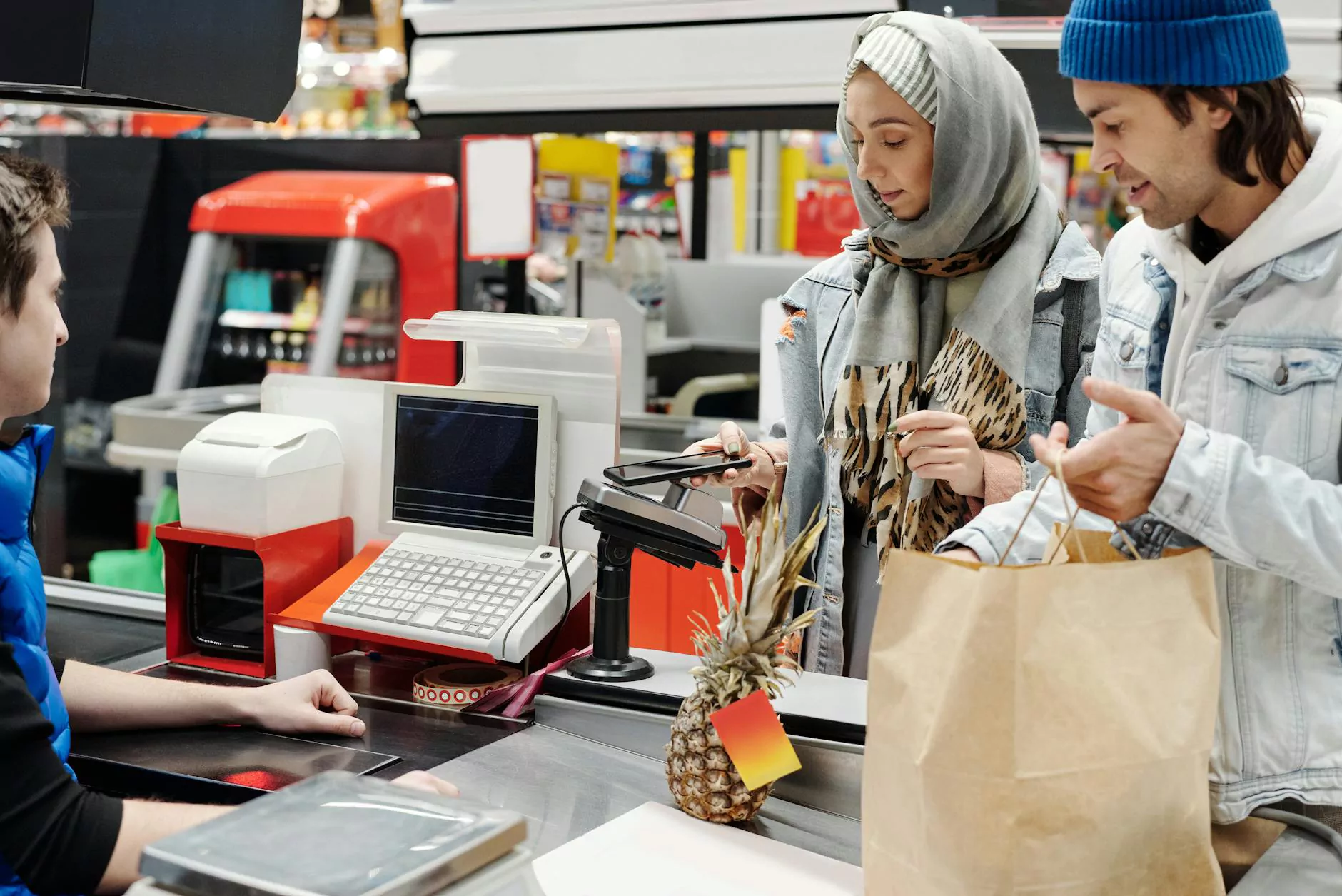
In retail environments, speed is essential. Barcode printers enable quick scanning at checkout counters, significantly reducing waiting times and enhancing customer satisfaction. With efficient checkout processes, businesses can serve more customers simultaneously, boosting revenue and profit margins.
4. Cost-Effectiveness
Implementing barcode systems ultimately leads to cost savings. By reducing labor hours spent on inventory management and minimizing errors, companies can allocate their resources more effectively. Moreover, barcode labels are often cheaper than alternative labeling methods.
5. Better Data Management
With a barcode printer, businesses can collect and analyze data more effectively. Sales trends, inventory levels, and supply chain processes can be monitored in real-time, aiding in strategic decision-making. This data-centric approach offers insights that can propel a business forward.
How to Choose the Right Barcode Printer
Selecting the right barcode printer requires careful consideration of your business needs. Here are some factors to evaluate:
1. Volume of Printing
If your business requires a large volume of labels, consider a printer that can handle high output rates. Thermal transfer printers are often preferred in such scenarios due to their durability and efficiency.
2. Label Size and Type
Determine the size and type of labels you will print. Ensure the printer you select can accommodate your specific label dimensions. Additionally, consider how resistant the labels need to be to moisture, heat, and abrasion.
3. Connectivity Options
Modern barcode printers offer various connectivity options such as USB, Ethernet, and Bluetooth. Choose a printer that integrates seamlessly with your existing systems for optimal performance.
4. Software Compatibility
Ensure that the barcode printer you choose is compatible with the software you use for inventory management or point-of-sale systems. This compatibility will streamline your operations and ensure accurate data transfer.
5. Budget Considerations
Lastly, establish a budget for your barcode printing needs. Evaluate both the initial costs of the printer and the ongoing costs for supplies such as labels and ribbons. Investing in a reliable and efficient printer can lead to significant long-term savings.
Applications of Barcode Printers in Different Industries
Barcode printers have wide-ranging applications across various industries. Here are some examples of how they are used:
1. Retail
In retail, barcode printers enable efficient inventory management and quick transactions at the point of sale. Retailers use barcodes to track sales, manage stock levels, and ensure accurate pricing.
2. Manufacturing
Manufacturers utilize barcode printers to label products, track components, and manage production processes. Barcodes allow for precise quality control and auditing along the supply chain.
3. Healthcare
In healthcare settings, barcode printers play a crucial role in patient care by ensuring that medications are correctly labeled and tracked. This enhances patient safety and compliance with regulations.
4. Logistics and Shipping
Logistics companies use barcode printers to generate shipping labels that help track packages throughout the delivery process. This capability enhances efficiency and accountability in the supply chain.
5. Warehousing
Warehouse management relies heavily on barcode printers for labeling shelves, pallets, and individual items. Effective labeling enables efficient picking, packing, and stock replenishment.