Crowns for Teeth: Enhancing Your Smile with Expert Care
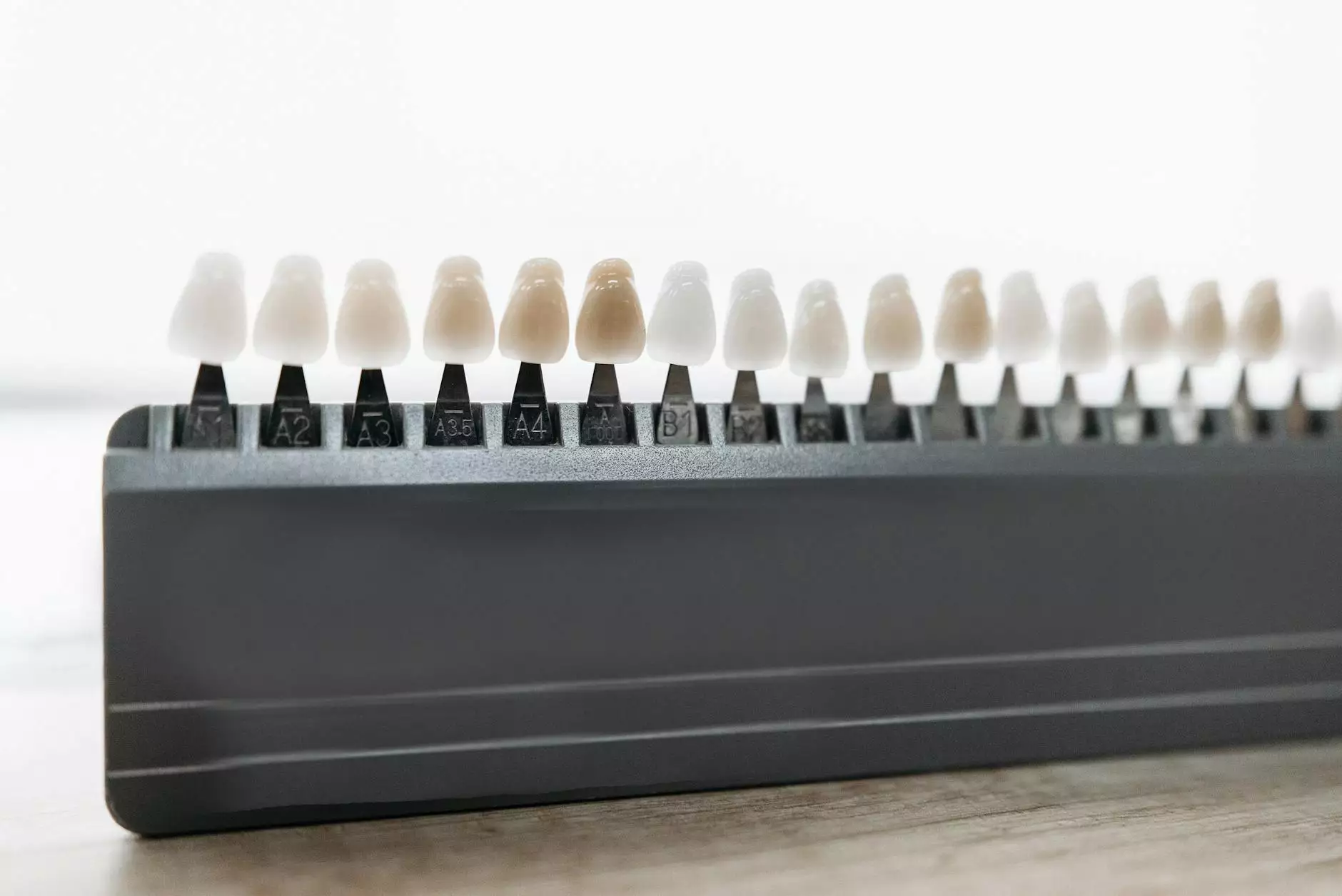
When it comes to achieving a healthy and beautiful smile, dental crowns play a crucial role. Often overlooked in conversations about oral health, dental crowns can dramatically improve the integrity of your teeth and the overall appearance of your smile. In this comprehensive guide, we will delve deeply into the world of crowns for teeth, discussing their types, benefits, and why selecting the right dental professional is essential for optimal results. Whether you're considering crowns for cosmetic reasons or as a solution to dental issues, understanding their application can help you make an informed decision.
Understanding Crowns for Teeth
A dental crown, often referred to simply as a crown, is a type of restoration that completely encapsulates a tooth. Crowns serve multiple purposes and can be made from various materials, each offering unique advantages.
Why Get a Dental Crown?
- Protection: Crowns protect weak or damaged teeth from further decay or fracture.
- Cosmetic Improvement: They can improve the shape, size, and color of teeth, giving you a more attractive smile.
- Restoration: Crowns restore functionality, especially for teeth that have undergone root canal therapy.
- Alignment: They can support the arrangement of surrounding teeth, particularly in cases of orthodontic work.
Types of Crowns Available
Dental crowns come in several varieties, each tailored to specific needs and preferences. Below, we explore the most common types:
1. Porcelain Crowns
Porcelain crowns are known for their natural appearance and are an excellent option for front teeth. They can be color-matched to blend seamlessly with existing teeth, making them a popular choice for cosmetic dentistry.
2. Metal Crowns
Metal crowns, such as those made from gold or other alloys, are incredibly durable and can withstand significant pressure from chewing. They are often recommended for back teeth where aesthetics are less of a concern.
3. Porcelain-fused-to-metal Crowns
This type combines the strength of metal with the aesthetic appeal of porcelain. The metal base offers durability, while the porcelain exterior can mimic the appearance of natural teeth.
4. Resin Crowns
Less commonly used, resin crowns are primarily a cost-effective option. They are not as durable as porcelain or metal crowns but can be a suitable temporary solution.
Benefits of Crowns for Teeth
Choosing crowns for teeth can lead to significant improvements in your dental health and confidence. Here are some key benefits to consider:
- Long-lasting Solutions: With proper care, dental crowns can last over a decade.
- Enhanced Aesthetic Appeal: Crowns can provide your smile with a uniform and naturally pleasing look.
- Functional Restoration: They enable you to bite and chew efficiently, improving your overall oral function.
- Reduced Sensitivity: Crowns can help alleviate tooth sensitivity by shielding exposed nerves.
- Orthodontic Synergy: Crowns are beneficial in conjunction with orthodontic treatments, ensuring teeth alignment remains effective.
The Procedure for Getting Crowns
Understanding the procedure can ease any concerns you might have regarding dental crowns. Here’s a step-by-step breakdown of the process:
Initial Consultation
Your journey begins with a consultation where your dental professional will evaluate your oral health, discuss your goals, and determine whether a crown is the right option for you.
Preparation of the Tooth
During the next appointment, the dentist will prepare the affected tooth by reshaping it to fit the crown snugly. This may involve removing decay or damage and ensuring a proper foundation for the crown.
Taking Impressions
Once the tooth is prepared, your dentist will take precise impressions to create a custom crown that matches your tooth’s structure and alignment.
Temporary Crown Placement
While your custom crown is being fabricated, a temporary crown will be placed to protect the tooth.
Final Placement
Upon receiving your permanent crown, your dentist will check its fit and aesthetics before bonding it securely to your tooth. Adjustments may be made to ensure comfort and functionality.
Choosing the Right Dentist for Crowns for Teeth
The success of your dental crown procedure heavily relies on the expertise of the dentist performing it. At Turkey Dental Clinic, we prioritize providing superior dental care through our highly skilled team of professionals.
Why Choose Turkey Dental Clinic?
- Expertise: Our dentists have extensive training and experience in cosmetic and restorative dentistry.
- Advanced Technology: We utilize the latest dental technology to ensure precise, efficient, and comfortable treatments.
- Comprehensive Care: We provide a wide range of services, including crowns, to meet all your dental needs under one roof.
- Patient-Centered Approach: Your comfort and satisfaction are our top priorities. We take the time to understand your concerns and tailor our services accordingly.
- Affordability: We strive to make quality dental care accessible, offering competitive pricing and flexible payment options.
Aftercare and Maintenance of Dental Crowns
Following the placement of crowns, proper aftercare is vital to ensure their longevity and effectiveness. Here are some important aftercare tips:
Oral Hygiene Practices
Maintaining rigorous oral hygiene by brushing twice and flossing daily is essential. This will prevent decay around the crown and maintain overall oral health.
Regular Dental Check-ups
Scheduling regular check-ups with your dentist allows for monitoring of the crown’s condition and overall dental health.
Avoid Certain Foods
Be cautious with hard foods that could damage the crown. If you have a metal crown, avoid excessively sticky foods that might dislodge it.
Conclusion: Investing in Your Smile
In summary, crowns for teeth are not just a dental procedure; they represent a significant investment in your health, confidence, and quality of life. Whether you opt for porcelain, metal, or a combination, the benefits of enhanced appearance, improved function, and restored confidence are undeniable.
At Turkey Dental Clinic, we are dedicated to helping you achieve your dream smile through expert care in a comfortable and welcoming environment. Reach out today to learn more about how dental crowns can benefit you.
FAQs about Dental Crowns
1. How long do dental crowns last?
With proper care, dental crowns can last anywhere from 5 to 15 years, depending on the material and the patient’s oral hygiene.
2. Are dental crowns painful?
Most patients experience little to no pain during the placement of crowns, as local anesthesia is typically used. Some sensitivity may occur afterward but usually resolves quickly.
3. Can I get a crown on a tooth that has had a root canal?
Yes, it is quite common to place crowns on teeth that have undergone root canal therapy to protect the tooth and restore its function.
4. Do I need to see a specialist for crowns?
While general dentists can perform crown procedures, specialists in cosmetic or restorative dentistry may offer enhanced expertise, particularly for complex cases.
5. What should I do if my dental crown feels loose?
If your crown feels loose, it is essential to contact your dentist immediately to avoid further complications. They can evaluate the crown and determine if a replacement or relining is necessary.