The Significance of Injected Molded Plastic in Modern Manufacturing
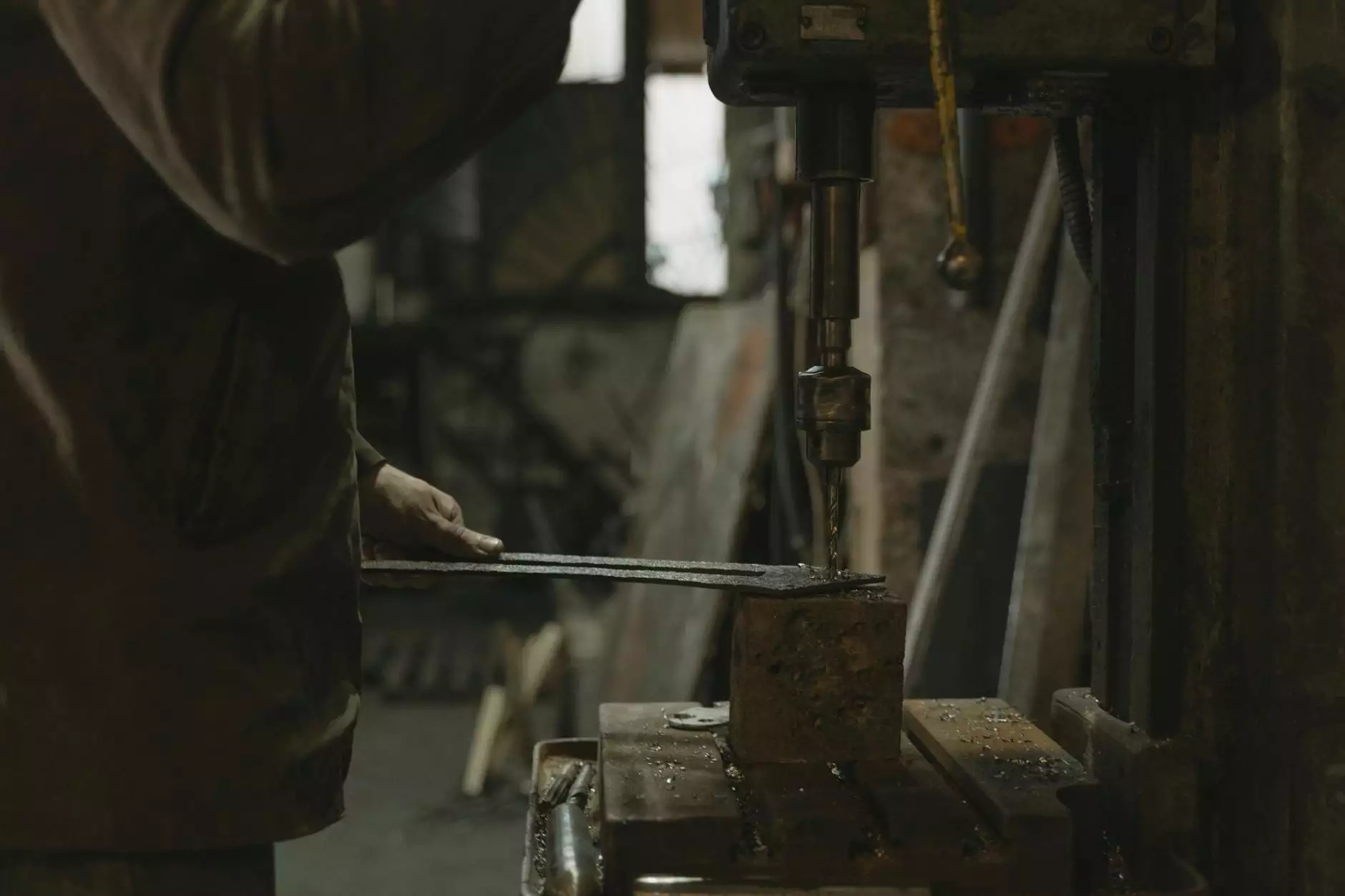
In the dynamic landscape of contemporary manufacturing, the role of injected molded plastic cannot be overstated. This innovative process has transformed the production methodologies across various industries, providing solutions that are not only efficient but also cost-effective. In this article, we will delve deep into the realm of injected molded plastic, exploring its applications, benefits, and the reasons why it is indispensable for businesses, particularly in sectors such as Metal Fabricators.
What is Injected Molded Plastic?
Injected molded plastic refers to a manufacturing process where plastic material is melted and injected into a mold to create specific shapes and components. This technique is widely recognized for its high efficiency and ability to produce intricate designs with precision. The process begins with raw plastic granules, which are heated until they become molten. This molten plastic is then injected into a mold where it cools and solidifies, taking on the shape of the mold.
How Does the Process Work?
The injected molding process can be broken down into several key steps:
- Material Selection: The first step is choosing the appropriate type of plastic, which can range from thermoplastics to thermosetting plastics, depending on the desired properties of the final product.
- Heating: The selected plastic is loaded into a barrel where it is heated to a specific temperature until it melts completely.
- Injection: Once molten, the plastic is injected under high pressure into the mold cavity, ensuring complete filling of the space.
- Cooling: The mold is then cooled to allow the plastic to solidify. The cooling time can vary depending on the thickness and complexity of the part being produced.
- De-molding: After cooling, the mold is opened, and the finished part is ejected.
Applications of Injected Molded Plastic
Injected molded plastic finds its way into numerous applications across various industries. Here are some notable sectors where this process excels:
1. Consumer Goods
Products such as toys, kitchenware, and electronic housings are often produced using injected molded plastic due to its versatility and efficiency. The ability to create complex shapes with precise dimensions makes it ideal for consumer products that require both functionality and aesthetic appeal.
2. Automotive Industry
In the automotive sector, injected molded plastic is extensively used for manufacturing components such as dashboards, interior trim, and even some exterior parts. The lightweight nature of injected molded plastics helps in reducing the overall weight of vehicles, leading to improved fuel efficiency.
3. Medical Devices
The medical field leverages injected molded plastics for producing devices and components that meet strict regulatory requirements. It allows for the creation of complex parts that are crucial for the functions of devices such as syringes, surgical instruments, and housings for electronic medical devices.
4. Electronics
From the casing of smartphones to the internal components of computers, injected molded plastic is integral to the electronics industry. The ability to incorporate intricate designs and features, along with protection against environmental factors, makes it a preferred choice.
5. Packaging
Packaging solutions such as containers and bottles are also often made using injected molded plastic due to its strength, lightweight nature, and the ability to form airtight seals. This is essential for food safety and preservation.
Benefits of Injected Molded Plastic
The adoption of injected molded plastic technology provides numerous advantages:
1. Cost-Efficiency
One of the most compelling reasons businesses opt for injected molded plastic is the cost-effectiveness of the process. Once the initial expense of creating a mold is incurred, the cost per unit significantly decreases with mass production.
2. Time Savings
Injected molding allows for fast production cycles. The quick cooling times and high production rates mean that manufacturers can meet high demand swiftly, an essential factor in today’s fast-paced market.
3. Precision and Consistency
Injected molded plastic provides exceptional levels of precision and repeatability. The ability to produce identical products without variability makes it crucial for industries that require high-quality standards.
4. Design Flexibility
Designers can create complex shapes and designs that would be difficult to achieve with other manufacturing processes. This flexibility leads to innovative product development and customization opportunities.
The Role of Inject Molded Plastic in Sustainability
As industries move towards more sustainable practices, injected molded plastic plays a pivotal role. Recyclability is one of the core advantages; many types of injected molded plastics can be recycled, reducing waste and environmental impact. Moreover, advances in material science have led to the development of biodegradable plastics that can further enhance sustainability efforts.
Challenges in the Injected Molded Plastic Industry
Despite its many advantages, the injected molded plastic industry faces several challenges:
1. Initial Investment
The upfront costs associated with designing and producing molds can be significant. However, this investment pays off with high production volumes over time.
2. Material Limitations
Not all plastics can be easily molded. Some materials may require specialized processes or may not withstand the conditions necessary for molding.
3. Environmental Concerns
Although many plastics are recyclable, the overall environmental impact of plastic production and disposal is a growing concern. Companies must adopt responsible practices to mitigate these impacts.
Conclusion: The Future of Injected Molded Plastic
As we look towards the future, the relevance of injected molded plastic in manufacturing is expected to grow. Innovations in technology, materials, and processes will continue to enhance its applications and benefits. Businesses like deepmould.net leading in the Metal Fabricators category will not only leverage these advancements to improve production efficiency but also to meet the ever-evolving demands of clients seeking high-quality, sustainable solutions.
In conclusion, the journey of injected molded plastic from its inception to its current status as a backbone of modern manufacturing highlights its unparalleled contributions across various industries. As manufacturers embrace this technology, the potential for growth, innovation, and sustainability remains boundless.