Understanding Wood Manufacture: A Deep Dive
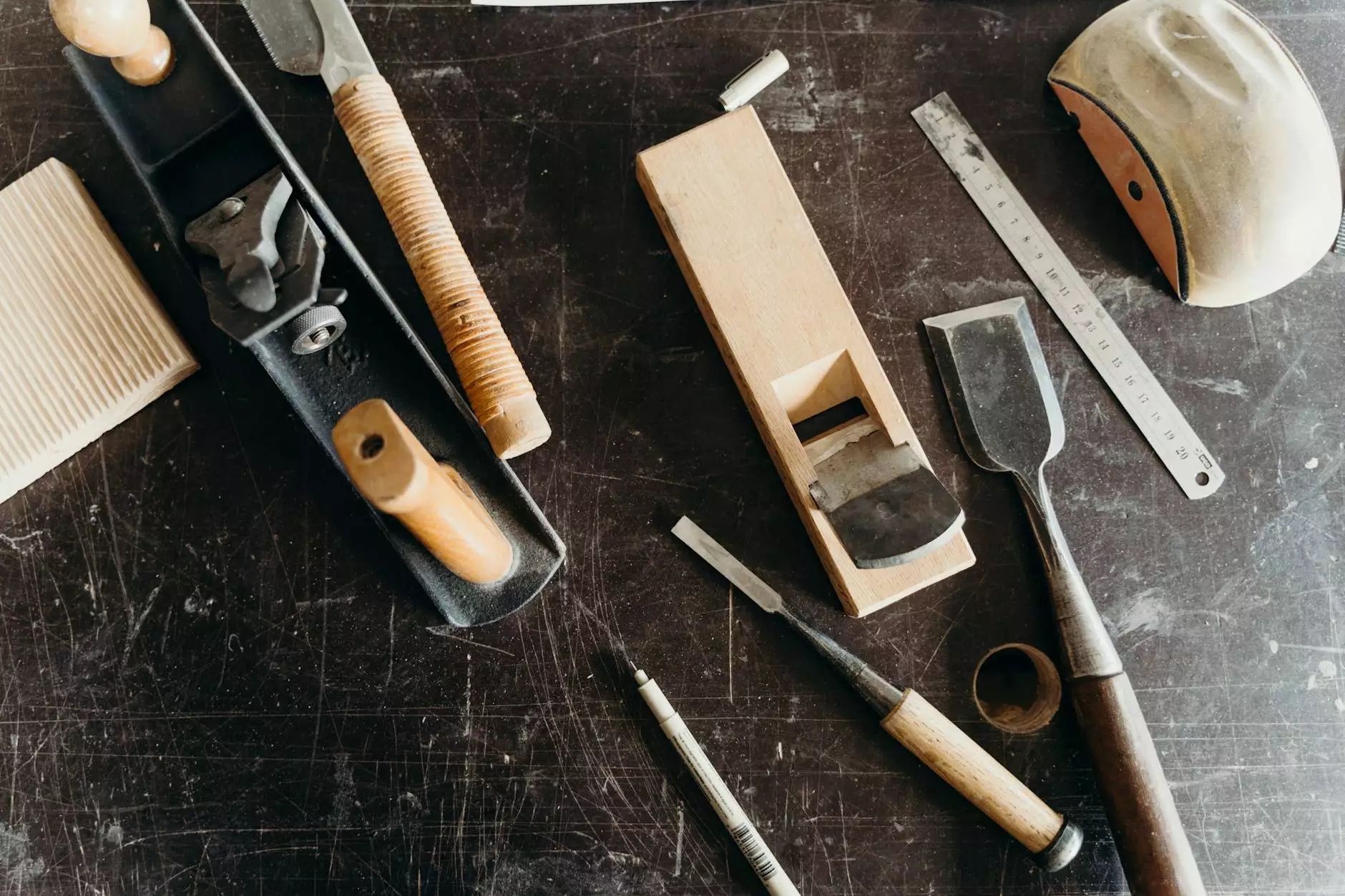
When discussing the industry of wood manufacture, it's essential to recognize the pivotal role it plays in global commerce. From the construction of homes to the production of furniture, wood is an invaluable resource. This article seeks to illuminate the various aspects of wood manufacture, including sourcing, production processes, and the numerous applications of timber in modern society.
What is Wood Manufacture?
Wood manufacture refers to the processes involved in converting raw timber into finished products for various uses. This includes everything from sawing logs into planks and beams to creating complex, custom-designed furniture. Understanding wood manufacture is crucial for businesses and consumers alike, as it impacts sustainability, quality, and cost.
The Importance of Sustainable Sourcing
With increasing awareness of environmental issues, sustainable sourcing has become a critical component of wood manufacture. Here are some key points regarding sustainable practices in the industry:
- Certification Programs: Organizations like the Forest Stewardship Council (FSC) ensure that the wood is sourced from responsibly managed forests.
- Replanting Efforts: Many manufacturers are investing in reforestation initiatives to replace the trees they harvest.
- Local Sourcing: Reducing the carbon footprint by sourcing wood locally can significantly impact sustainability.
The Process of Wood Manufacture
The journey from a tree in the forest to a finished wood product involves several crucial steps:
1. Harvesting
This is the initial stage, where mature trees are felled. Sustainable practices in harvesting ensure that not only is the tree cut down, but the ecosystem is preserved.
2. Milling
After harvesting, the logs are transported to a mill, where they are converted into various shapes and sizes. This milling process may use saws, lathes, and other machinery to produce planks or custom cuts.
3. Drying
Wood must be dried to reduce moisture content, which can prevent warping and cracking. Different methods of drying include:
- Air Drying: A natural method where wood is stacked in a ventilated area.
- Kiln Drying: An accelerated process using controlled heat and humidity to achieve the desired moisture content.
4. Treatment and Finishing
Once dried, wood is often treated with preservatives and finished with stains or sealants. This not only enhances the wood’s appearance but also protects it from pests and environmental factors.
Applications of Wood Products
The versatility of wood products is vast, making it a favored material in numerous industries. Some common applications include:
- Construction: Timber is essential for structural purposes in both commercial and residential buildings, offering strength and durability.
- Furniture Making: From tables to chairs, wood is a preferred choice for its aesthetic qualities and durability.
- Wooden Goods: Items like cabinetry, paneling, and even toys are manufactured from high-quality wood.
Why Buy Timber in Bulk?
For businesses involved in construction, carpentry, or furniture making, purchasing timber in bulk can result in significant advantages:
Cost Efficiency
Buying in bulk often means lower prices per unit, which can lead to substantial savings for businesses.
Consistent Quality
Sourcing from the same supplier ensures that all materials have a similar quality, grade, and finish, which is crucial for maintaining production standards.
Reliable Supply
Establishing a relationship with a wood supplier can guarantee a steady supply of materials, allowing for uninterrupted workflows.
Choosing the Right Wood Supplier
When it comes to selecting a wood supplier, consider the following factors:
- Reputation: Look for suppliers with solid reviews and a history of reliability.
- Product Range: A good supplier should offer a variety of wood types and grades to meet your specific needs.
- Sustainability Practices: Ensure that the supplier adheres to responsible sourcing and sustainability policies.
Innovations in Wood Manufacture
The wood manufacture industry is also witnessing significant innovations aimed at improving efficiency and sustainability. Some examples include:
- Advanced Machinery: New technologies allow for faster and more precise cutting and processing of timber.
- Recycling and Upcycling: More manufacturers are incorporating reclaimed wood into their products, reducing waste and promoting sustainability.
- Eco-Friendly Treatments: Innovations in chemical treatments for wood preservation are leading to safer and more environmentally responsible options.
Conclusion
The realm of wood manufacture is rich with opportunity and potential for businesses and consumers alike. With sustainable practices and advanced technologies paving the way for a more efficient future, knowing how to source, manufacture, and utilize wood products can make a profound difference in both quality and environmental impact. Whether you are a supplier, a carpenter, or a homeowner, understanding the complexities of wood manufacture is vital for making informed choices that promote responsible use of this precious resource.
For those looking to buy timber in bulk, check out eksidtechug.com, your trusted partner in quality wood supply.