The Importance of Lung CT Scans in Health and Medical Fields
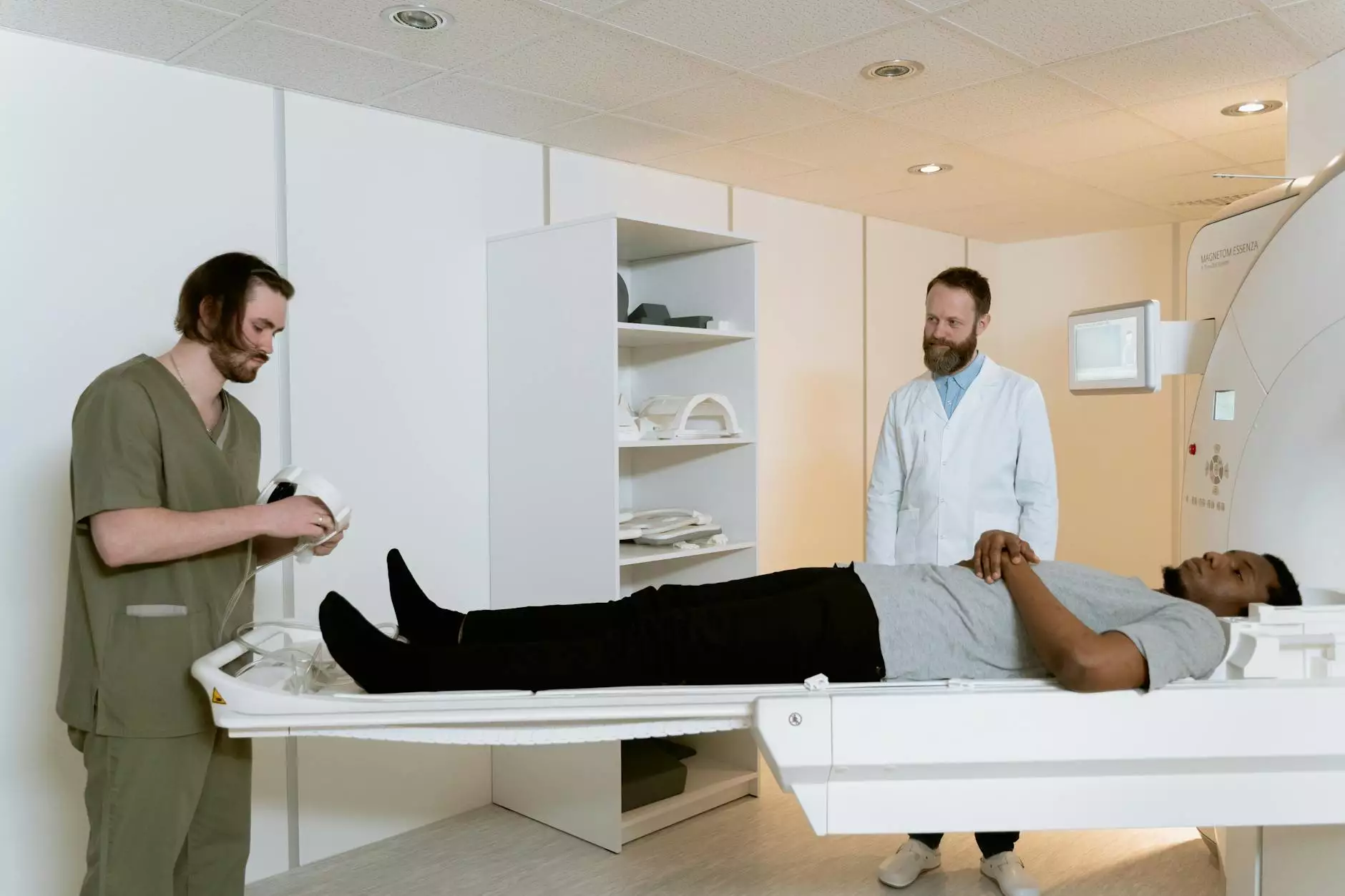
In the ever-evolving landscape of modern medicine, diagnostic imaging has become paramount for effective patient care. Among the various imaging techniques available today, the lung CT scan stands out as a critical tool in diagnosing and managing various respiratory conditions. This article delves deep into the significance of lung CT scans, emphasizing their role in health and medical practices, particularly in the realms of sports medicine and physical therapy.
Understanding Lung CT Scans
A lung CT scan (computed tomography scan) is an advanced imaging procedure that provides detailed cross-sectional images of the lungs, airways, and surrounding structures. Unlike traditional X-rays, CT scans utilize multiple X-ray images taken from different angles to create a comprehensive 3D representation of the chest region. This innovative imaging technique offers several advantages:
- Enhanced Detection: Lung CT scans are significantly more effective at detecting subtler pathologies, including small nodules, tumors, and signs of infection.
- Accurate Diagnosis: Detailed imaging enables healthcare professionals to make accurate diagnoses of conditions such as pulmonary embolism, pneumonia, and lung cancer.
- Guiding Treatment: CT imaging can help in planning surgical approaches or evaluating the effectiveness of ongoing treatments.
The Role of Lung CT Scans in Identifying Respiratory Conditions
Lung health is vital to overall wellbeing, making early diagnosis of respiratory diseases crucial. Here are some of the key conditions that lung CT scans help identify:
1. Lung Cancer
One of the most critical applications of the lung CT scan is in the early detection of lung cancer. Early-stage lung cancer often presents with minimal symptoms, but CT imaging can reveal small nodules that may indicate malignancy. According to recent studies, low-dose CT scans can significantly reduce mortality rates among high-risk populations by facilitating early intervention.
2. Chronic Obstructive Pulmonary Disease (COPD)
COPD is a progressive disease that manifests as difficulty in breathing, often due to emphysema or chronic bronchitis. Lung CT scans are invaluable in assessing the extent of lung damage and guiding treatment options, thus improving the quality of life for affected individuals.
3. Pulmonary Embolism
A pulmonary embolism (PE) occurs when a blood clot travels to the lungs, leading to potentially life-threatening consequences. CT pulmonary angiography, a specific type of lung CT scan, is the gold standard for diagnosing PE. Rapid diagnosis with a lung CT scan can lead to immediate therapeutic interventions.
4. Interstitial Lung Disease
Interstitial lung disease comprises a group of disorders that cause progressive scarring of lung tissue. Lung CT scans play a pivotal role in diagnosing these conditions, differentiating between various types, and determining the appropriate management strategies.
Importance in Sports Medicine
In the field of sports medicine, lung health is critical to athletic performance. Athletes are often subjected to intensive physical stress, which can exacerbate underlying lung conditions. Here’s how lung CT scans can contribute significantly to sports medicine:
1. Injury Assessment
Injuries to the thoracic region, including rib fractures or contusions, can adversely affect lung function. Lung CT scans enable sports medicine professionals to assess the extent of injuries accurately and formulate precise treatment plans.
2. Evaluating Exercise-Induced Conditions
Some athletes experience respiratory symptoms related to intense physical exertion, such as exercise-induced bronchoconstriction. A lung CT scan can help evaluate airway responsiveness and guide the management of such conditions, ensuring the athlete can perform at their best.
3. Pre-Participation Evaluations
For elite athletes, comprehensive pre-participation medical evaluations often include lung CT scans, especially if there is a history of respiratory issues. Identifying underlying conditions before competition is vital to optimize performance while safeguarding health.
Lung CT Scans in Physical Therapy
Physical therapy often plays a significant role in the rehabilitation of patients with respiratory conditions. The integration of lung CT scans into the treatment plan can enhance therapeutic outcomes. Here are some ways it can benefit physical therapy:
1. Personalized Treatment Plans
Physical therapists can use detailed imaging from lung CT scans to develop tailored rehabilitation programs that address specific deficits in lung function, ensuring that treatments are effective and targeted.
2. Monitoring Progress
Lung CT scans can provide baseline images that help therapists gauge progress during treatment. By comparing initial scans with follow-up scans, therapists can modify treatment strategies based on objective data.
3. Respiratory Muscle Training
Understanding the impact of lung conditions on overall physical performance is crucial. Lung CT scans can guide therapists in designing respiratory muscle training programs that improve breathing efficiency and increase exercise tolerance.
Conclusion: The Future of Lung CT Scans in Healthcare
The landscape of healthcare continues to evolve, and the lung CT scan remains at the forefront of diagnostic imaging. As technology advances, we expect even greater precision and utility from lung scans. The role of lung CT scans in health & medical fields, especially in sports medicine and physical therapy, cannot be overstated. By enabling early detection, facilitating accurate diagnosis, and guiding treatment, lung CT scans truly make a difference in patient outcomes.
At hellophysio.sg, we strive to leverage advanced diagnostic tools, including lung CT scans, to provide comprehensive care that combines medical expertise with empathy and understanding. Together, we can improve lung health and enhance the quality of life for all our patients.