
Comprehensive Guide to MRI Service Engineering: Ensuring Excellence in Medical Imaging
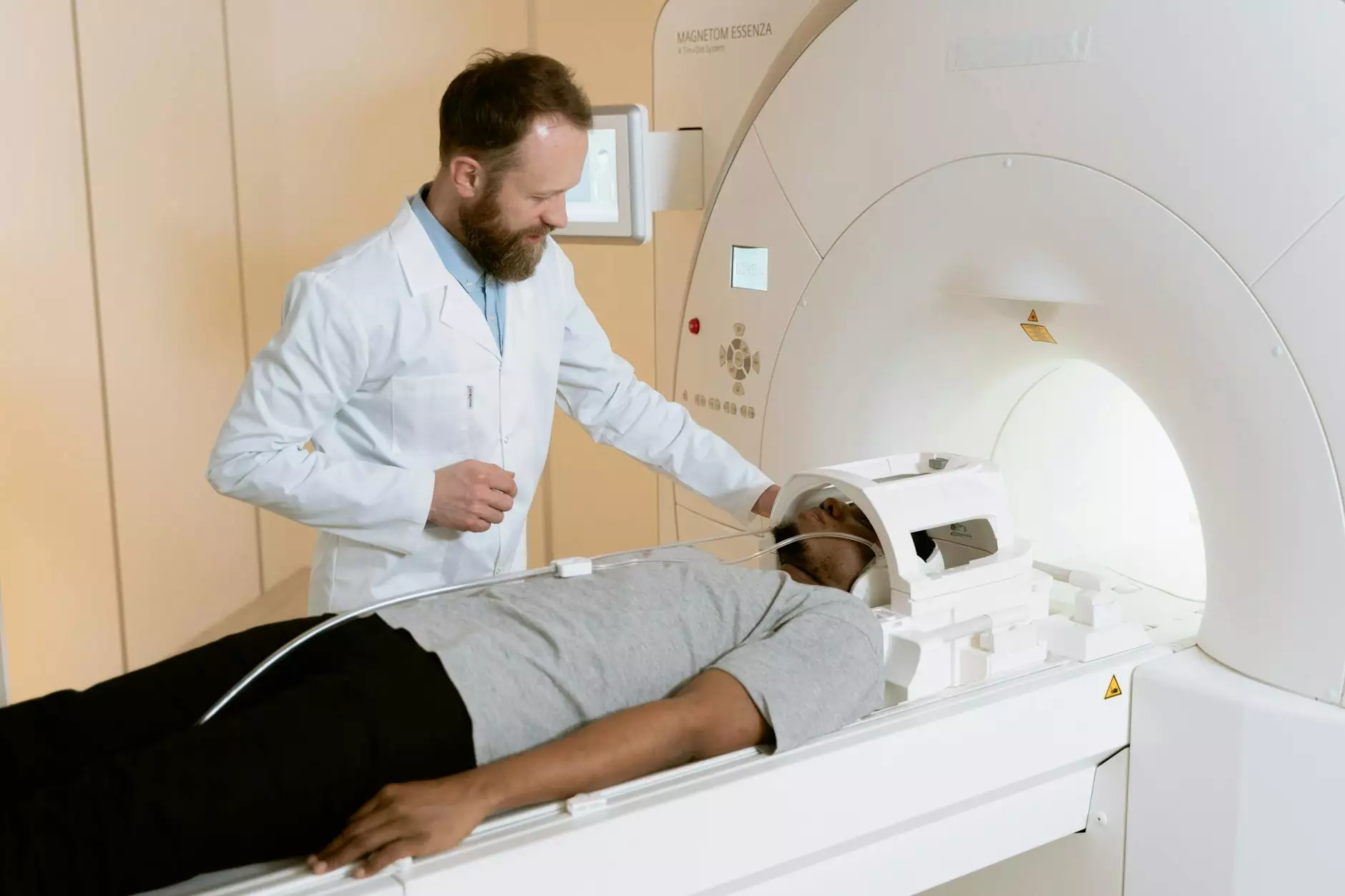
In the rapidly evolving landscape of healthcare technology, magnetic resonance imaging (MRI) stands out as one of the most critical diagnostic tools. At the core of maintaining these complex systems are MRI service engineers, whose expertise guarantees that MRI machines operate with precision, reliability, and safety. Their role is indispensable in the realms of Health & Medical, Medical Centers, and Diagnostic Services, ensuring that healthcare providers can deliver accurate diagnoses and optimal patient care.
The Essential Role of MRI Service Engineers in Modern Healthcare
MRI service engineers are specialized professionals responsible for the installation, maintenance, calibration, repair, and troubleshooting of MRI systems in medical facilities. They possess a unique blend of technical skills, medical knowledge, and analytical abilities that enable them to optimize the performance of sophisticated imaging devices.
Key Responsibilities of MRI Service Engineers
- Installation and Commissioning: Setting up new MRI systems according to manufacturer specifications and ensuring proper integration within the medical facility's infrastructure.
- Preventive Maintenance: Conducting routine inspections and servicing to prevent unexpected breakdowns, prolong equipment lifespan, and ensure consistent image quality.
- Calibration and Quality Assurance: Adjusting machine parameters to meet stringent diagnostic standards and perform image quality assessments.
- Troubleshooting and Repairs: Diagnosing electrical, mechanical, and software issues swiftly to minimize downtime and maintain operational efficiency.
- Upgrades and Modernization: Implementing software updates, hardware enhancements, and system modifications to keep MRI capabilities at the forefront of medical technology.
- Compliance and Safety Checks: Ensuring all MRI operations adhere to health and safety regulations, including electromagnetic safety standards and patient safety protocols.
Why Skilled MRI Service Engineers Are Vital for Medical Centers and Diagnostic Services
The success of any medical imaging department depends heavily on the expertise of its technical staff, particularly the MRI service engineers. Their proficiency influences multiple facets of healthcare delivery.
Ensuring High-Quality Diagnostic Imaging
Accurate diagnostics hinge on high-quality MRI images. MRI service engineers ensure that every scan produces clear, detailed images by meticulously calibrating systems, adjusting magnetic fields, and refining software settings. This precision directly impacts patient outcomes, making their role fundamental.
Minimizing Equipment Downtime
MRI systems are intricate and sensitive, requiring expert attention to prevent malfunctions. Regular preventive maintenance and swift repairs by skilled engineers keep imaging services operational, leading to reduced patient wait times, improved workflow, and increased revenue for healthcare institutions.
Maintaining Regulatory Compliance and Safety
Compliance with health and safety standards, such as those outlined by the FDA and other regulatory bodies, is non-negotiable in healthcare. MRI service engineers systematically verify system safety features, electromagnetic emissions, and patient safety measures, safeguarding both patients and staff.
Advanced Skills and Qualifications of Leading MRI Service Engineers
To excel in their demanding field, MRI service engineers require a combination of formal education, extensive training, and hands-on experience.
Educational Background
Most professionals in this domain possess degrees in biomedical engineering, electronics, electrical engineering, or related fields. Specialized training in medical imaging technology is also essential.
Technical Expertise
Proficiency in electronics, magnetics, computer systems, and software diagnostics is crucial. Familiarity with specific MRI hardware and software platforms, such as Siemens, GE, Philips, and others, enhances troubleshooting efficiency.
Certifications and Continuous Learning
Industry-recognized certifications, such as Certified Biomedical Equipment Technician (CBET) or vendor-specific certifications, validate a service engineer’s expertise. Additionally, ongoing education is vital to stay current with technological advances and regulatory changes.
The Impact of Technology and Innovation on MRI Service Engineering
The field of MRI technology is fast-paced, with continuous innovations improving image resolution, speed, and safety. Notable advancements include digital imaging, artificial intelligence integration, and newer magnet designs. MRI service engineers are at the forefront of adopting and implementing these developments.
Integrating AI and Software Automation
AI-driven diagnostic tools and automated calibration software simplify complex tasks, enhance accuracy, and expedite maintenance. Engineers are crucial in customizing and troubleshooting these intelligent systems.
Enhancing Patient Safety and Comfort
Newer MRI systems prioritize patient comfort with shorter scan times and quieter operation. Technical staff ensure these features work seamlessly, thereby improving patient experience.
Choosing the Right Partner: Echomagnet Services for MRI Maintenance and Support
When it comes to maintaining the highest standards in MRI diagnostics, partnering with experienced companies like echomagnetservices.com ensures access to certified MRI service engineers. Our team provides comprehensive support, including:
- 24/7 Emergency Repair Services: Minimizing downtime with rapid response team
- Preventive Maintenance Programs: Regular check-ups to prevent costly failures
- System Audits and Compliance Checks: Keeping equipment within regulatory standards
- System Upgrades and Retrofits: Modernizing MRI units for enhanced performance
- Technical Training: Educating in-house staff for routine troubleshooting and operation
Future Trends in MRI Service Engineering and Healthcare Diagnostics
The landscape of MRI technology and service engineering is continually evolving. Future trends include:
- Greater AI Integration: Automating diagnostics and maintenance predictions
- Miniaturization and Portability: Developing mobile MRI units for remote or underserved areas
- Enhanced Imaging Techniques: Real-time 3D imaging and functional imaging breakthroughs
- Green and Sustainable Technologies: Reducing energy consumption and environmental impact
- Remote Service and Monitoring: Utilizing IoT for proactive system management
Conclusion: The Critical Contribution of MRI Service Engineers to Healthcare Excellence
The success of advanced medical diagnostics hinges on the dedicated efforts of MRI service engineers. Their expertise in ensuring that MRI systems function flawlessly directly translates into better patient outcomes, safer procedures, and more efficient healthcare operations. As the demand for more precise, faster, and safer imaging grows, so does the necessity for highly skilled professionals capable of managing these complex systems.
For healthcare providers seeking reliable solutions, partnering with experienced service providers like echomagnetservices.com guarantees top-tier service and expertise in MRI maintenance and repair. Investing in the skills and support of qualified MRI service engineers is not just a technical decision—it is a commitment to excellence in patient care and diagnostic precision.
Empowering Healthcare with Expert MRI Service Engineering
In conclusion, the role of MRI service engineers is pivotal in shaping the future of medical imaging. Their technical prowess, continuous learning, and dedication ensure that MRI technology remains a reliable cornerstone of modern healthcare. As hospitals and diagnostic centers strive for excellence, the partnership with skilled service engineers and professional companies like echomagnetservices.com will continue to be a strategic asset, enabling better health outcomes worldwide.


