Comprehensive Guide to Fake Euro Money: Understanding, Risks, and Ethical Considerations
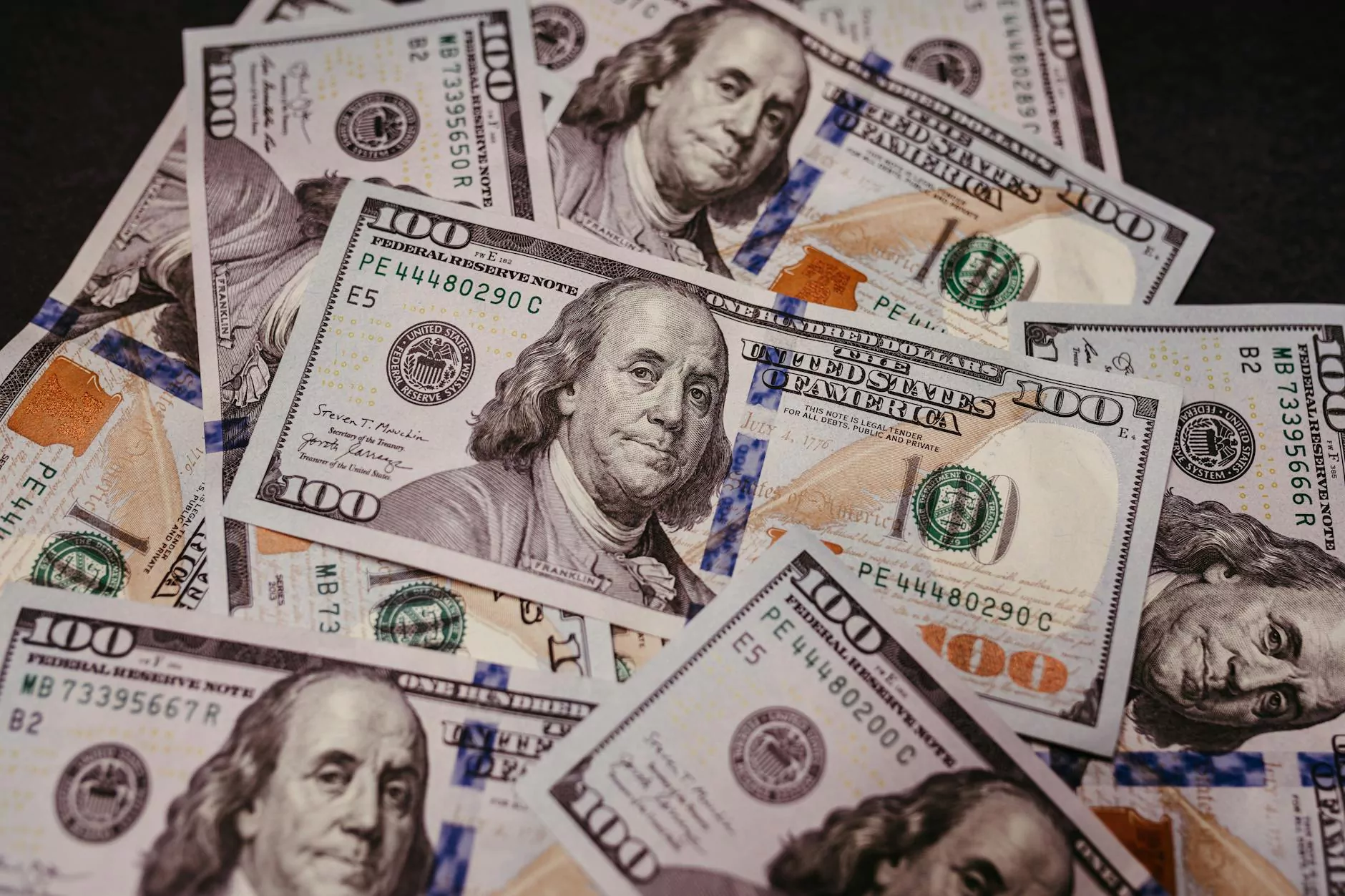
In today's complex financial landscape, the topic of fake euro money has garnered significant attention among businesses, collectors, law enforcement, and consumers alike. While the production and distribution of counterfeit currency are illegal and unethical, understanding the nuances related to fake euro money is essential for businesses operating within the industry and for consumers seeking to protect themselves from fraudulent activities.
What is Fake Euro Money?
Fake euro money refers to currency notes and coins that are produced illicitly with the intent to deceive and defraud. These counterfeit bills mimic genuine euro banknotes in size, color, design, and security features but are often inferior in quality and lack the advanced features present in authentic currency. The production of such counterfeit currency is a serious crime in many countries, with significant legal consequences.
The History and Evolution of Fake Euro Money
The euro, introduced in 2002, quickly became one of the world's most circulated currencies. Its widespread adoption across numerous European countries made it a lucrative target for counterfeiters. Over the years, counterfeiters have evolved from simple photocopies to sophisticated reproductions that trick even seasoned banknote graders. Advances in printing technology, security features, and design enhancements have prompted counterfeiters to develop increasingly complex fake euro money to bypass detection.
Key Milestones in Counterfeit Euro Banknotes Development
- Early Counterfeits (2002-2010): Primarily basic copies with visible flaws, easily detectable by professionals.
- Introduction of Advanced Security Features (2010-2015): Anti-copy watermarks, holograms, and microtext made counterfeiting more difficult.
- High-Quality Reproductions (2015-present): Use of digital printing, specialized inks, and sophisticated techniques to produce highly convincing fake euro money.
Security Features in Genuine Euro Money
To combat counterfeit currency, the European Central Bank has embedded multiple security features into euro banknotes. Understanding these features is crucial for identifying authentic bills and recognizing fake euro money.
Major Security Features Include:
- Watermarks: Embedded images visible when held up to light.
- Security Thread: A metallic strip embedded within the note, visible in the light.
- Holograms: Dynamic holographic patches that change appearance with viewing angles.
- Color-Changing Ink: On the denomination numeral, which shifts color when tilted.
- Microprinting: Tiny text that is difficult to reproduce.
- UV Features: Elements visible only under ultraviolet light.
Risks and Implications of Fake Euro Money in Business
The circulation of fake euro money presents significant risks for businesses, financial institutions, and consumers. Recognizing these dangers is paramount for protecting assets and maintaining trust in the financial ecosystem.
Economic Consequences
Counterfeit currency undermines economic stability by distorting money supply figures, causing inflationary pressures, and resulting in financial losses for businesses that unknowingly accept fake bills.
Legal and Ethical Implications
Dealing with fake euro money can expose businesses and individuals to legal liabilities, including fines and imprisonment. Ethical considerations also come into play when knowingly accepting or distributing counterfeit currency.
Operational Challenges
Recognizing counterfeit notes requires investment in high-quality detection tools, staff training, and establishing robust procedures. Failure to do so increases the risk of financial loss and damage to reputation.
How Businesses Can Protect Themselves from Fake Euro Money
To minimize the risks associated with counterfeit currency, businesses can implement a combination of technological, procedural, and educational strategies. Key measures include:
- Use of Advanced Detection Devices: Magnetic, UV, and infrared detectors.
- Employee Training: Regular sessions on identifying security features and suspicious bills.
- Routine Cash Handling Procedures: Multiple checks and verification of banknotes before accepting or dispensing cash.
- Partnerships with Reliable Suppliers: Ensuring that currency circulation is through trusted channels.
- Investing in Digital Payment Alternatives: Promoting electronic transactions reduces physical cash handling and the risk of counterfeit acceptance.
The Ethical Industry of Fake Money and Responsible Businesses
While the illegal production of fake euro money is condemned worldwide, businesses that operate within the gray or legal areas of replica or novelty currency should prioritize ethical considerations. Companies like undetectedbanknotes.com offer products for educational, entertainment, or security verification purposes, adhering to strict legal standards.
Legal Uses of Reproduction Currency
- Educational Tools: Teaching students and trainees about security features and anti-counterfeit measures.
- Prop Use in Film and Theater: Creating realistic fake currency for movies and stage performances.
- Banknote Testing and Certification: Assisting law enforcement and security agencies in detecting counterfeit notes.
The Role of Companies like undetectedbanknotes.com
Organizations such as undetectedbanknotes.com specialize in providing high-quality, legally compliant replica banknotes and security features for legitimate purposes. These products are meticulously crafted to match security standards, facilitating training and testing without contributing to illegal counterfeit circulation. Their commitment to responsible business practices helps uphold financial integrity and security.
The Future of Fake Euro Money and Anti-Counterfeit Technologies
The fight against fake euro money is ongoing, with continual advancements in technology leading to more sophisticated security features and detection methods. Innovations such as blockchain-based digital currencies, biometric verification, and AI-powered counterfeit detection systems are transforming the landscape, making it increasingly difficult for counterfeiters to succeed and enhancing trust in the currency system.
Emerging Technologies in Currency Security
- Digital Signatures and Blockchain: Immutable records that verify authenticity.
- Biometric Security: Fingerprint and facial recognition in currency validation devices.
- Artificial Intelligence: Machine learning algorithms to identify counterfeit patterns automatically.
- Enhanced Material Science: Incorporation of novel inks and substrates difficult to replicate.
Conclusion: Navigating the Complex World of Fake Euro Money
Understanding the intricacies of fake euro money is vital for businesses, law enforcement, and consumers. While counterfeit currency continues to evolve in sophistication, the combination of advanced security features, vigilant detection practices, and responsible industry players like undetectedbanknotes.com provides a robust defense against fraud. Engaging in ethical practices, investing in detection technology, and staying informed about emerging security measures secure a trustworthy and resilient financial environment for all.
Protect your business, educate your staff, and stay ahead of counterfeiters by leveraging the latest advancements and responsible industry partnerships in the fight against fake euro money.